
What is REI Network?
REI Network is a Layer 1 blockchain built specifically for AI and DePIN (Decentralized Physical Infrastructure Networks). It is important to distinguish this project from real estate tokenization platforms, despite the similar acronym. The network aims to provide a high-performance, Ethereum-compatible environment that eliminates transaction costs for users.
The core innovation lies in its gasless infrastructure. REI uses a novel staking model where node operators cover transaction fees, allowing users to interact with decentralized applications without holding native tokens for gas. This approach removes a significant barrier to entry for mainstream adoption, particularly for AI-driven applications that require frequent, low-value on-chain interactions.
From a market perspective, REI operates with a fixed supply. The circulating supply is capped at 1.00 billion tokens, matching the maximum supply. This fixed economic model contrasts with inflationary networks, potentially influencing long-term value accrual depending on demand for its computational resources.
Technical analysis suggests the asset is currently in a consolidation phase. Recent data points to stabilization near the $0.003 level, with analysts noting that a breakout above $0.0033 could signal further upward momentum. However, forecasts vary, with some models predicting a decline to $0.0025 by the end of 2026. Investors should view these projections as third-party estimates rather than guarantees.
2025–2026 Roadmap Highlights
REI Network is shifting its operational focus toward institutional-grade infrastructure and artificial intelligence integration for the 2025–2026 period. The core objective is to remove the primary friction point in decentralized application (dApp) adoption: transaction costs. By implementing a gasless infrastructure model, the network aims to make on-chain interactions cost-free for end users, a critical step for scaling high-performance applications.
The roadmap details were outlined during an AMA with COO Dani Bian, who emphasized the technical architecture supporting this shift. The network utilizes a novel staking model to subsidize gas fees, allowing developers to batch transactions and absorb costs while users interact seamlessly. This approach positions REI Network to compete directly with other Ethereum-compatible Layer 1 blockchains that are struggling with user retention due to volatile gas prices.
Beyond infrastructure, the team is exploring strategic partnerships within the AI sector. These collaborations are designed to leverage REI Network’s high-throughput capabilities for data-intensive AI workloads. While specific partner names remain undisclosed, the focus is on creating a secure, scalable environment for decentralized AI models. This aligns with broader market trends where blockchain networks are increasingly seeking utility beyond simple value transfer.
REI Token 2026 Price Forecast
The 2026 price outlook for REI Network presents a sharp divergence between algorithmic forecasting models and current technical market signals. While third-party analysts project a potential recovery driven by the broader AI narrative, on-chain data indicates a prolonged period of consolidation near critical support levels.
Algorithmic models suggest varying degrees of optimism for the token's trajectory. Wallet Investor projects a steady appreciation, estimating a price of $0.0202 by the end of 2026. In contrast, TradingBeasts offers a more conservative baseline, forecasting a low of $0.0222 for the same period. CoinCodex models are significantly more bearish, suggesting a decline to $0.002517 by year-end. These discrepancies highlight the volatility inherent in forecasting assets with lower market capitalization.
| Source | 2026 Forecast | Sentiment |
|---|---|---|
| Wallet Investor | $0.0202 | Moderately Bullish |
| TradingBeasts | $0.0222 | Neutral |
| CoinCodex | $0.0025 | Bearish |
Current technical analysis points to a consolidation phase rather than an immediate breakout. REI has been stabilizing near the $0.003 mark, with trading volume indicating limited momentum. A decisive move above $0.0033 is required to challenge the resistance levels identified by analysts. Until such a breakout occurs, the token remains in a holding pattern, reflecting the cautious sentiment among short-term traders.
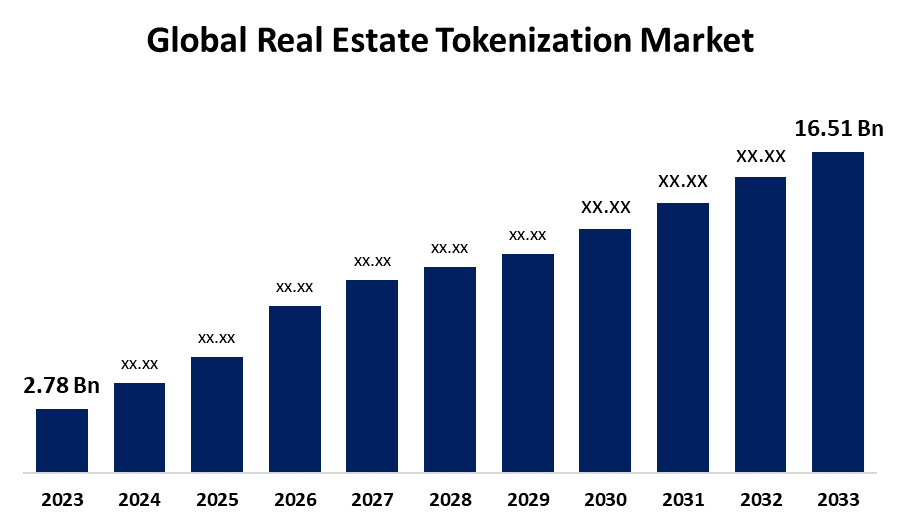
The broader context of real-world asset (RWA) tokenization remains a potential catalyst for REI Network. As an Ethereum-compatible Layer 1 focused on scalable decentralized applications, REI is positioned to benefit from increased institutional interest in tokenized assets. However, this fundamental upside is currently overshadowed by technical weakness. Investors are advised to monitor the $0.0033 resistance level closely, as a sustained break above this threshold could validate the bullish forecasts from Wallet Investor and TradingBeasts.
Staking Rewards and Tokenomics
REI Network utilizes a proof-of-stake consensus mechanism where holding and staking $REI is essential for network security and operation. The protocol is designed to offer a gasless infrastructure, allowing developers to deploy decentralized applications without upfront transaction fees. This model shifts the cost burden from the end-user to the validators, who are compensated through staking rewards rather than gas payments.
To participate, users vote their $REI tokens to select nodes that validate transactions. This process secures the network while providing stakers with automated rewards. The total supply of $REI is capped at 1.00 billion tokens, with the circulating supply matching this maximum. This fixed supply structure means that inflationary pressure is absent, making the token's value proposition heavily reliant on the utility derived from its gasless ecosystem and the demand for staking services.
For investors analyzing the token's economic model, the staking yield is a primary metric. While specific annual percentage yields fluctuate based on network participation, the mechanism ensures that those who lock their tokens contribute to consensus security. This alignment of incentives is critical for maintaining the network's integrity as it scales. For real-time market data and technical analysis of the $REI token, refer to the widget below.
Where to Buy and Store REI
Acquiring REI Network tokens requires selecting a centralized exchange that lists the asset and then transferring the holdings to a secure wallet. This process involves creating an account, funding it with a stablecoin, executing the trade, and securing the private keys. For users prioritizing ease of access, major platforms like Binance and Kraken provide direct fiat on-ramps and spot trading pairs.
1. Create an Exchange Account
Begin by registering on a reputable exchange. Binance and Kraken are the primary venues for REI Network liquidity. Verification is mandatory; complete the KYC (Know Your Customer) process by submitting identification documents. This step ensures compliance with regulatory standards and unlocks deposit limits.
2. Fund Your Account
Deposit fiat currency or a stablecoin like USDT into your exchange wallet. Binance offers a wide range of deposit methods, including bank transfers and credit cards, while Kraken supports SEPA and wire transfers. Funding with USDT is often more efficient for immediate trading due to lower conversion friction.
3. Execute the Trade
Navigate to the REI/USDT or REI/USD trading pair. Enter the amount of REI you wish to purchase. Review the trading fee and slippage before confirming the order. A limit order allows you to set a specific price, ensuring you do not overpay during periods of high volatility.
4. Secure Your Tokens
Once purchased, transfer your REI tokens to a non-custodial wallet. Since REI Network is Ethereum-compatible, wallets like MetaMask or Trust Wallet are suitable. Ensure the wallet supports ERC-20 tokens. Storing tokens in a hardware wallet provides the highest level of security against online threats.
Community Sentiment and Risks
Community sentiment for REI Network remains divided as the token navigates a volatile market environment. Technical analysis from CoinMarketCap indicates a period of consolidation near $0.003, with analysts noting that a breakout above $0.0033 could signal renewed bullish momentum. However, broader price forecasts suggest a challenging year ahead, with models predicting an end-of-2026 price of approximately $0.002517, representing a significant decline from current levels.
While the project’s gasless infrastructure aims to attract developers, the broader community discourse often highlights the inherent risks of low-cap altcoins. Trading volumes remain relatively low, which can lead to sharp price swings and liquidity issues during market downturns. Investors should remain cautious, as these factors contribute to the high volatility typical of this segment.
No comments yet. Be the first to share your thoughts!