
REI tokens in 2026: what to watch
The REI Network has shifted from a basic EVM-compatible chain to a cross-chain, AI-native infrastructure. This transition defines the REI tokens in 2026 context, moving the focus from simple transaction processing to intelligent, gas-free interoperability. For investors, this means the token’s utility is now tied to network security and cross-chain liquidity rather than just basic execution.
The 2025–2026 roadmap emphasizes transforming the ecosystem into a smart, AI-native environment. This shift aims to reduce friction for developers building decentralized applications, potentially driving demand for the $REI token used for staking and governance. The network’s ability to secure assets across multiple chains will be a critical metric for long-term viability.
While the technical upgrades are promising, the market remains volatile. Investors should monitor on-chain activity and staking participation as indicators of real adoption. The token’s performance in 2026 will likely reflect how well the network attracts developers to its new AI-focused features rather than just speculative trading volume.
Rei token 2026 choices that change the plan
Before allocating capital to REI Network, you need to weigh the specific mechanics of the token against your risk tolerance. The 2026 roadmap signals a shift toward an AI-native, cross-chain ecosystem, which introduces both growth potential and technical complexity. Understanding these tradeoffs helps separate speculative hype from functional utility.
Liquidity and Market Depth
REI operates in a niche segment of the crypto market, often categorized under AI-focused tokens under $1. While this can lead to high volatility and rapid price swings, it also means liquidity can dry up quickly during broader market downturns. Unlike major layer-1 chains, REI does not always have the deep order books found on Ethereum or Solana. For traders, this means wider bid-ask spreads and potentially higher slippage when entering or exiting positions. The technical chart for REI often shows periods of consolidation followed by sharp, volume-driven spikes, reflecting its sensitivity to AI narrative cycles rather than steady organic growth.
Staking Rewards vs. Token Utility
The primary utility for holding REI currently revolves around network security through staking. Users can vote for validators to help secure the chain and earn rewards. However, this creates a supply-side pressure: as more tokens are staked, the circulating supply decreases, which can artificially inflate the price but also reduces the liquidity available for trading. If the network fails to attract sufficient transaction volume or real-world asset tokenization, the staking yield may not compensate for the opportunity cost of locking up capital. You must evaluate whether the projected APY justifies the risk of token vesting or potential dilution from future roadmap incentives.
Cross-Chain Risks
REI’s 2025–2026 roadmap emphasizes becoming a bridge for AI-native applications across different blockchains. While cross-chain functionality expands the addressable market, it inherently increases security exposure. Each bridge or cross-chain protocol introduces potential points of failure, including smart contract vulnerabilities or oracle manipulations. If a connected chain experiences a hack or outage, REI’s value and utility could be negatively impacted by contagion. This tradeoff requires you to trust not just the REI core team, but also the security posture of the external chains they integrate with.
Comparison of REI Token Factors
| Factor | Pros | Cons |
|---|---|---|
| AI Narrative | High growth potential if AI adoption accelerates. | Highly speculative; sensitive to market sentiment shifts. |
| Staking Mechanics | Generates passive yield for long-term holders. | Reduces circulating liquidity; potential sell pressure from rewards. |
| Cross-Chain Tech | Expands use cases beyond a single blockchain. | Increases attack surface and security dependencies. |
| Market Cap | Low entry price attracts retail investors. | Lower liquidity can lead to high slippage and volatility. |
Community Sentiment and Adoption
Community engagement is a leading indicator for REI’s success. Discussions on platforms like Reddit often highlight the technical roadmap and validator performance. While the community is active, it remains smaller than major competitors. Adoption metrics, such as daily active addresses and total value locked (TVL), should be monitored closely. A strong community without corresponding on-chain activity suggests a reliance on speculation rather than utility.
Final Evaluation
REI presents a high-risk, high-reward profile for 2026. Its success depends on executing its AI-native roadmap and attracting real developers, not just speculators. Investors should treat it as a satellite position in a diversified portfolio, prioritizing assets with proven track records for the core allocation. Always verify current market data, as crypto prices and network metrics change rapidly.
How to buy rei coin
If you are looking for concrete ways to buy REI coin, you need to plan around the specific infrastructure of REI Network. Unlike buying Bitcoin on a mainstream exchange, acquiring $REI often involves interacting with its native ecosystem or specific cross-chain bridges. Here is the practical framework for entering the position.
Step 1: Secure a compatible wallet
You need a self-custody wallet that supports the REI Network EVM-compatible chain. MetaMask is the standard choice for most users. Before you begin, ensure your wallet is configured to add the REI Network mainnet RPC details. This ensures your transactions are routed correctly and you can view your $REI balance. Without this setup, you cannot interact with decentralized exchanges or the network’s staking features.
Step 2: Fund your wallet with ETH or stablecoins
Since REI Network is EVM-compatible, you typically need a bridged asset to pay for gas fees or to swap for $REI. You can bridge ETH or USDC from Ethereum, Polygon, or BNB Chain into the REI Network. Use an official bridge or a trusted aggregator like Li.Fi. This step is critical because you cannot use native ETH from Ethereum mainnet directly on REI Network. Ensure the bridge transaction confirms before proceeding.
Step 3: Swap for $REI on a decentralized exchange
Once your wallet is funded on REI Network, navigate to a decentralized exchange (DEX) operating on the chain, such as REI DEX. Connect your wallet and select the token pair (e.g., USDC/REI). Review the slippage tolerance and expected price impact. Execute the swap. This method gives you direct exposure to $REI without relying on a centralized exchange listing, which may have limited liquidity or higher fees.
Step 4: Stake your $REI for rewards
After purchasing, you can earn passive yield by staking your $REI. REI Network allows users to vote for validators and earn rewards. This process is straightforward: navigate to the staking interface on the official REI Network site or a supported wallet interface. Delegate your tokens to a trusted validator. This not only generates returns but also helps secure the network, aligning your interests with the ecosystem’s growth.

Add the REI Network mainnet to MetaMask. This is the foundation for all subsequent actions. Without the correct network configuration, you cannot see your balance or send transactions.
Use a bridge to move ETH or USDC from Ethereum or Polygon to REI Network. This covers gas fees and provides liquidity for swapping. Always verify the bridge is official or highly audited.
Go to a REI-compatible DEX. Swap your bridged assets for $REI. Check slippage settings to ensure you get a fair price. This is the direct purchase method.
Delegate your $REI to a validator. This earns you rewards and secures the network. It is a passive way to hold the asset while generating yield.
Spotting misleading claims and weak options in REI token investments
The REI Network roadmap for 2025–2026 promises an AI-native, cross-chain, gas-free environment. While these features are technically ambitious, they often mask the reality of current token utility. Many promotional materials frame the $REI token as a passive income vehicle through staking, but the actual yield depends heavily on node operator performance and network adoption rates that remain unproven.
Investors frequently mistake the underlying blockchain infrastructure for the token's immediate value. The official site highlights earning rewards by voting, yet it omits the liquidity risks associated with staking in a relatively new EVM-compatible chain. This distinction matters: the technology may scale, but the token price is driven by market sentiment and speculative demand, not just network upgrades.
When evaluating weak options, look for sources that guarantee returns or ignore the total supply dynamics. With a fixed total supply, inflationary pressures from staking rewards can dilute value if demand doesn't keep pace. Always verify claims against primary sources like the official REI Network documentation rather than third-party hype. The gap between the technical roadmap and the token's actual market performance is where most misleading narratives thrive.
REI Network (REI) in 2026: Common Questions Answered
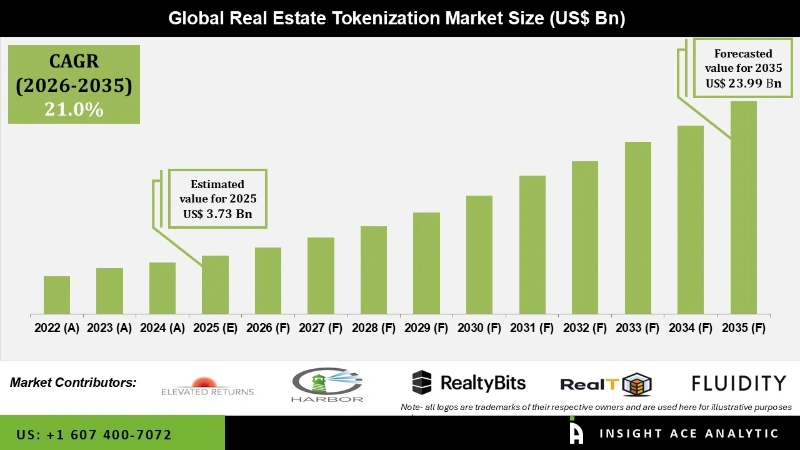
Navigating the intersection of real estate tokenization and AI-native infrastructure can be complex. Here are the most frequent questions about REI Network and its native token, REI, to help you make informed decisions in 2026.
No comments yet. Be the first to share your thoughts!