
UAE and USA Tokenized Real Estate: 58 Assets at $392M and Investment Guide 2026

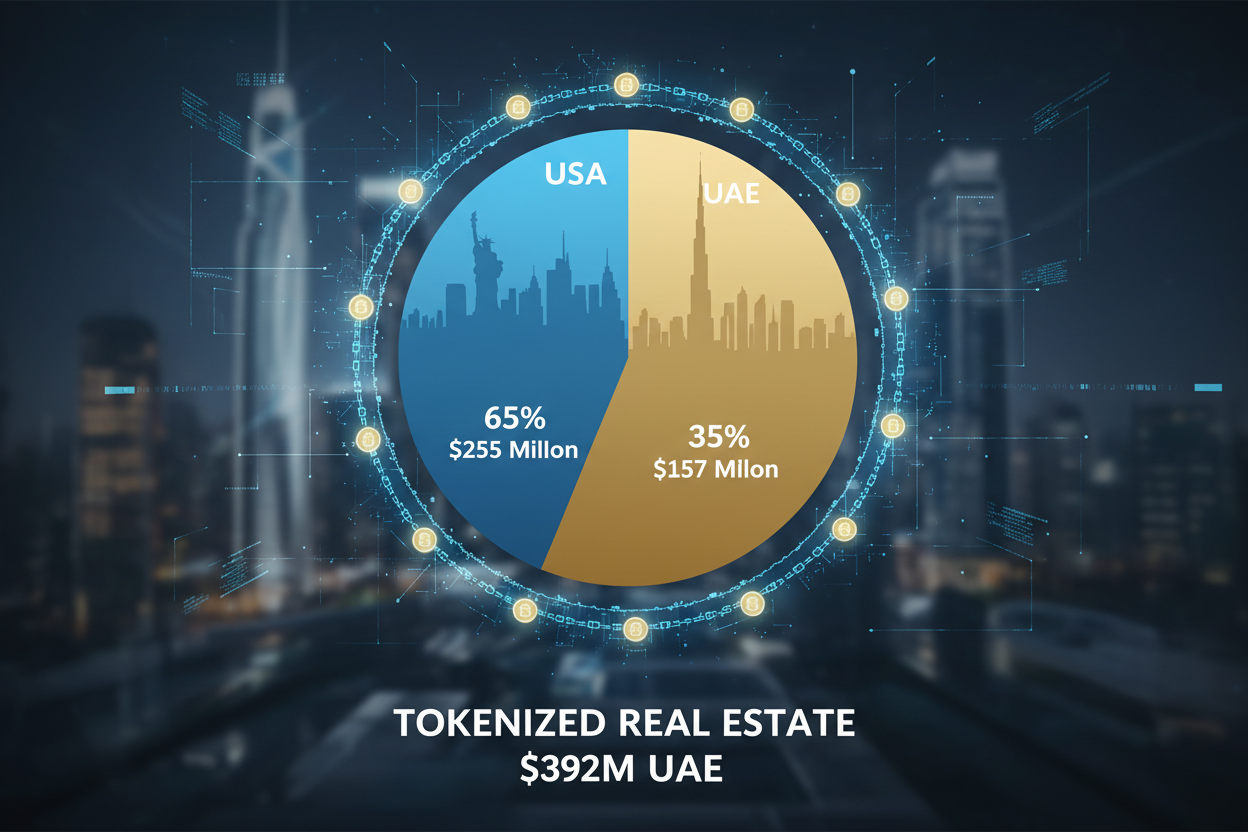
As of early February 2026, the tokenized real estate market stands at $392.5 million across 58 assets in 10 countries, with the United States and United Arab Emirates commanding roughly 80% of the value. This milestone signals maturing adoption of real-world assets (RWAs) on blockchain, yet from a risk management standpoint, investors must scrutinize liquidity risks, regulatory shifts, and valuation discrepancies before committing capital. The 1.1% value growth over the past 30 days pales against a 21% jump in token holders, hinting at speculative fervor that warrants caution.
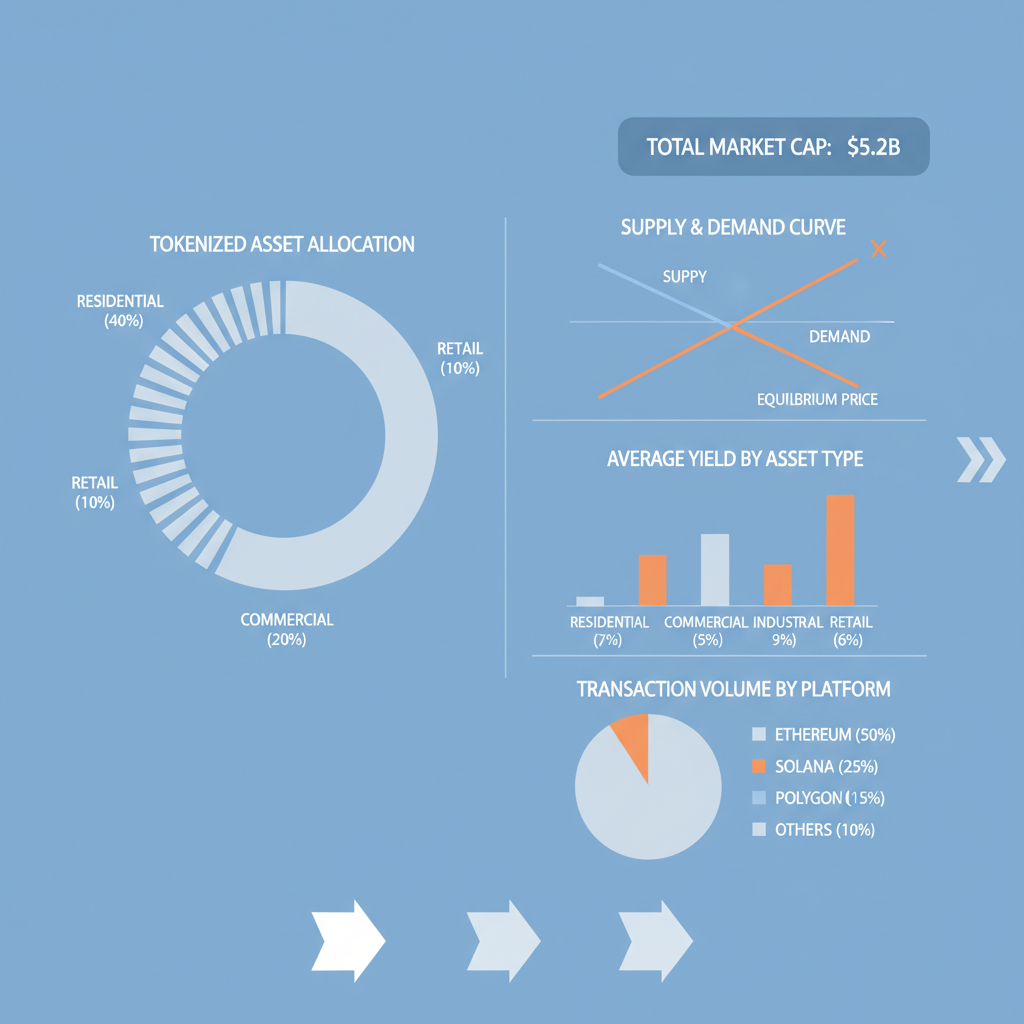
Dissecting the $392.5 Million Market Composition
Tokenized real estate converts physical properties into digital tokens, enabling fractional ownership and secondary trading. Spread across seven blockchains, these 58 assets attract 10,440 holders and 396 active markets. The UAE and USA’s outsized role stems from favorable policies: Dubai’s free zones accelerate token launches, while U. S. platforms navigate SEC guidelines through Reg D exemptions. However, concentration heightens systemic vulnerabilities; a downturn in these hubs could cascade globally.
Examine the metrics methodically. Value locked reflects not just hype but tangible on-chain activity. Platforms report daily rental yields from U. S. properties, distributed via smart contracts. Still, auditors flag off-chain risks like property maintenance defaults, which smart contracts cannot fully mitigate without oracles. My framework prioritizes stress-testing these assets against interest rate hikes or crypto winters.
U. S. and UAE: Regulatory Foundations and Adoption Drivers
The USA hosts mature platforms tokenizing rental homes, offering yields and governance votes. Lofty and RealT exemplify this, with low entry points drawing retail investors. UAE’s edge lies in VARA oversight, fostering institutional inflows. Zoniqx’s $100 million partnership with StegX leverages AI for compliance, targeting 10% of a projected $500 billion tokenized commercial slice by year-end.
Analytical lens reveals nuances. U. S. assets benefit from deep liquidity pools but face litigation risks from evolving securities laws. UAE properties allure with tax perks, yet geopolitical tensions could impair cross-border flows. Investors should model scenarios: a 20% token price drop from regulatory clampdowns erodes principal faster than illiquid traditional real estate.
Smart contracts automate distributions, slashing admin costs by up to 70%, per industry estimates. Yet, code vulnerabilities persist; historical exploits drained millions from DeFi analogs. Prioritize audited protocols with multi-sig treasuries.
Navigating Liquidity Transformation and Platform Selection
Secondary markets now enable token trades rivaling stocks, addressing real estate’s historic illiquidity. Enhanced infrastructures cut settlement to minutes, versus months for deeds. This shift pulls in diversified portfolios, but bid-ask spreads in nascent venues signal volatility. Track holder concentration; top wallets holding 40% and invite manipulation risks.
For 2026 entry, vet platforms rigorously. RealT focuses on U. S. rentals with daily payouts; Lofty adds voting. Zoniqx eyes ESG and multi-chain. Assess token economics: fixed supply versus inflationary yields. My risk matrix weights compliance scores highest, followed by oracle reliability for appraisals. Cross-border plays amplify currency risks, demanding hedged positions.
Layer in macroeconomic overlays too. Rising interest rates compress cap rates, pressuring tokenized yields below traditional benchmarks. A prudent allocation caps exposure at 5-10% of portfolio, diversified across geographies and asset classes within RWAs.
Key Risks in the $392.5 Million Tokenized Landscape
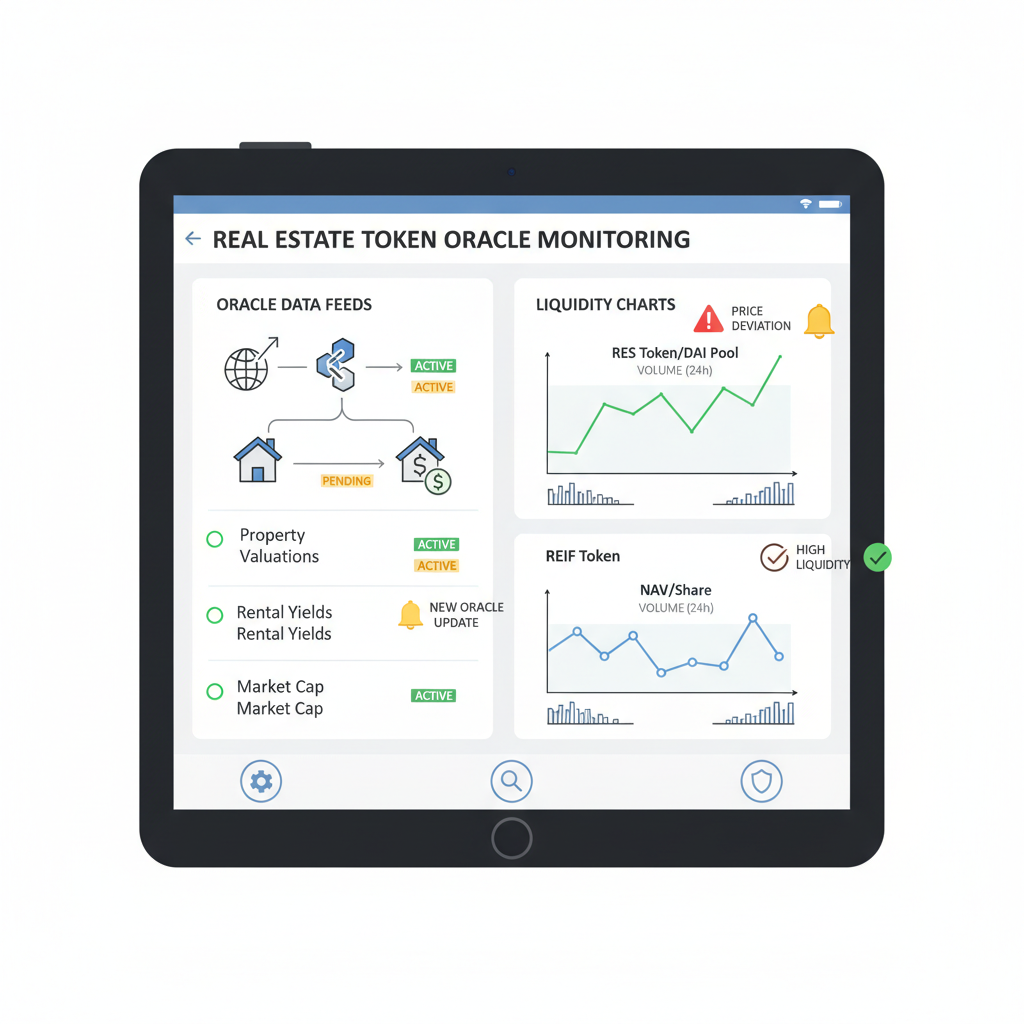
Tokenized real estate tantalizes with fractional access to UAE property tokens and USA tokenized properties, but my 15 years dissecting asset correlations flags persistent pitfalls. Oracle failures top the list: these feeds link on-chain prices to off-chain appraisals, yet delays or manipulations have triggered 15-30% depegs in prior RWA pilots. Regulatory whiplash follows closely; UAE’s VARA provides clarity, but U. S. SEC reclassifications could freeze secondary trades overnight.
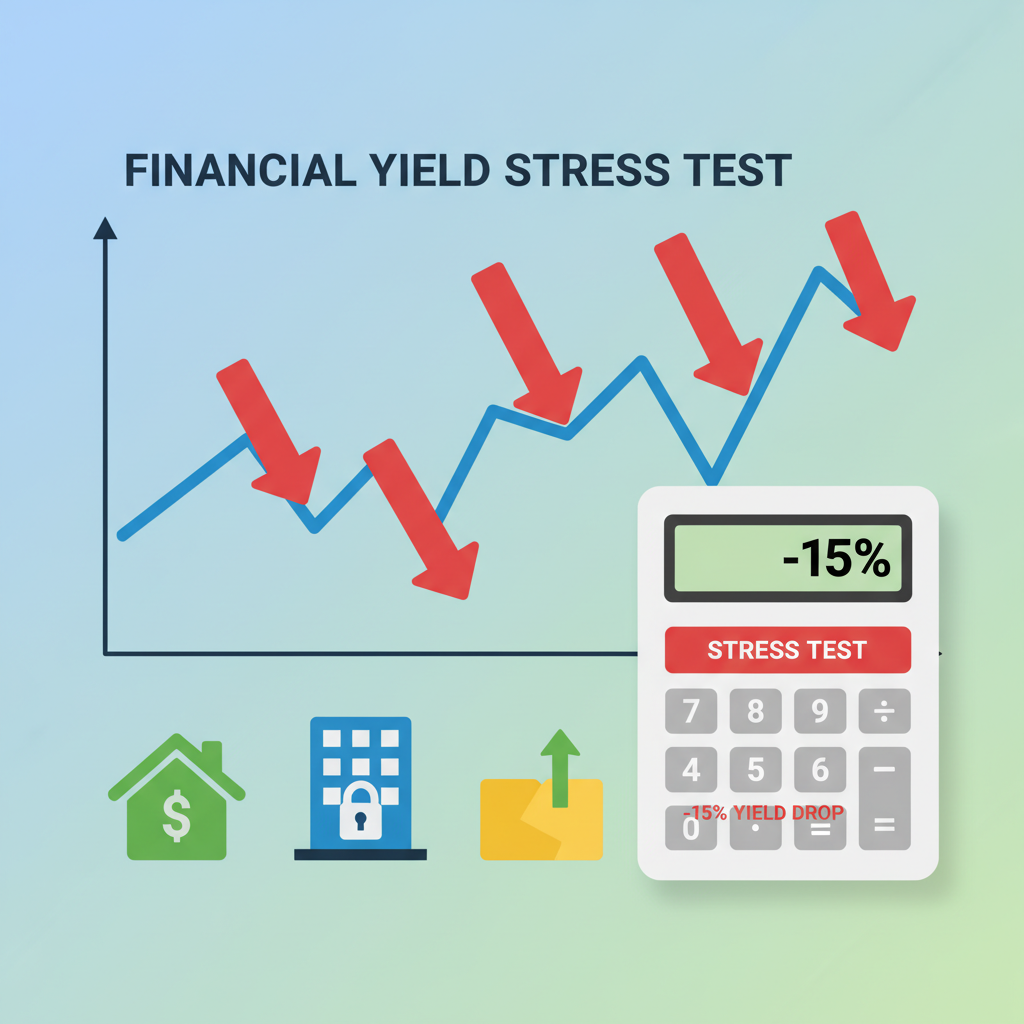
Counterparty risks lurk in property management. Smart contracts distribute rents flawlessly, until a landlord skips upkeep, eroding net asset values silently. My stress tests simulate 25% vacancy spikes from recessions, revealing tokens that crater faster than whole properties due to leveraged token issuances. Liquidity illusions compound this: 396 active markets sound robust, until volume dries up, trapping holders in wide spreads.
Geopolitical vectors add edge cases. UAE assets shine in stability rankings, yet oil volatility indirectly sways commercial occupancies. U. S. holdings face hurricane deductibles not fully tokenized. Investors modeling these must incorporate tail risks, perhaps via options on underlying chains or insurance wrappers emerging in 2026.
Breakdown of Top Tokenized Real Estate Platforms
| Platform | Location Focus | Key Features | TVL Estimate | Risk Score |
|---|---|---|---|---|
| RealT | USA | Daily rents/voting | $50M | Low |
| Lofty | USA | Governance/low min | $30M | Med |
| Zoniqx | UAE/Global | AI compliance/ESG | $100M | Med |
5 Steps to Safely Invest in 2026’s $392.5M Tokenized Real Estate Market
2026 Investment Framework: Real Estate RWA Strategies
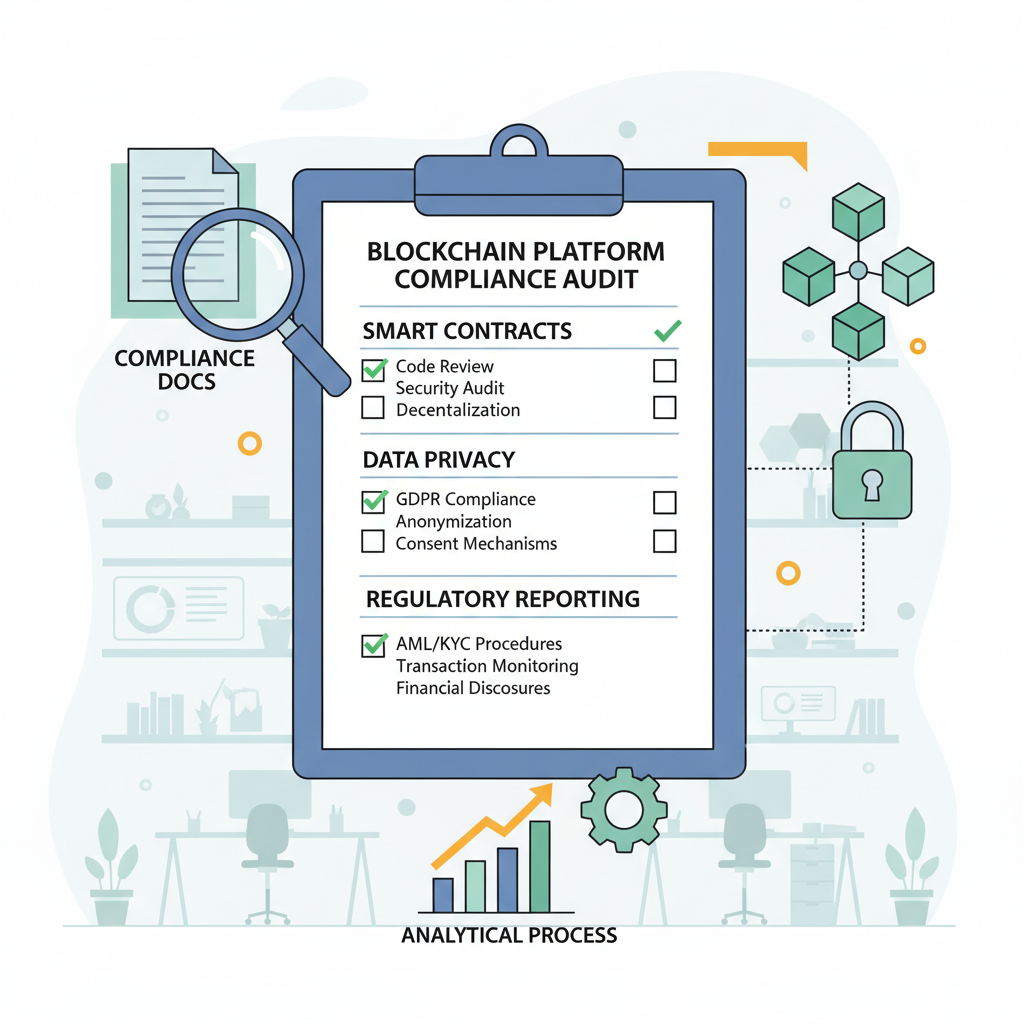
Fractional real estate investment via blockchain unlocks real estate RWA 2026 potential, but success hinges on methodical entry. Prioritize platforms with proven audits from Peckshield or Quantstamp, and track holder growth against value: the recent 21% holder surge outpacing 1.1% TVL hints at froth, ideal for dollar-cost averaging over quarters.
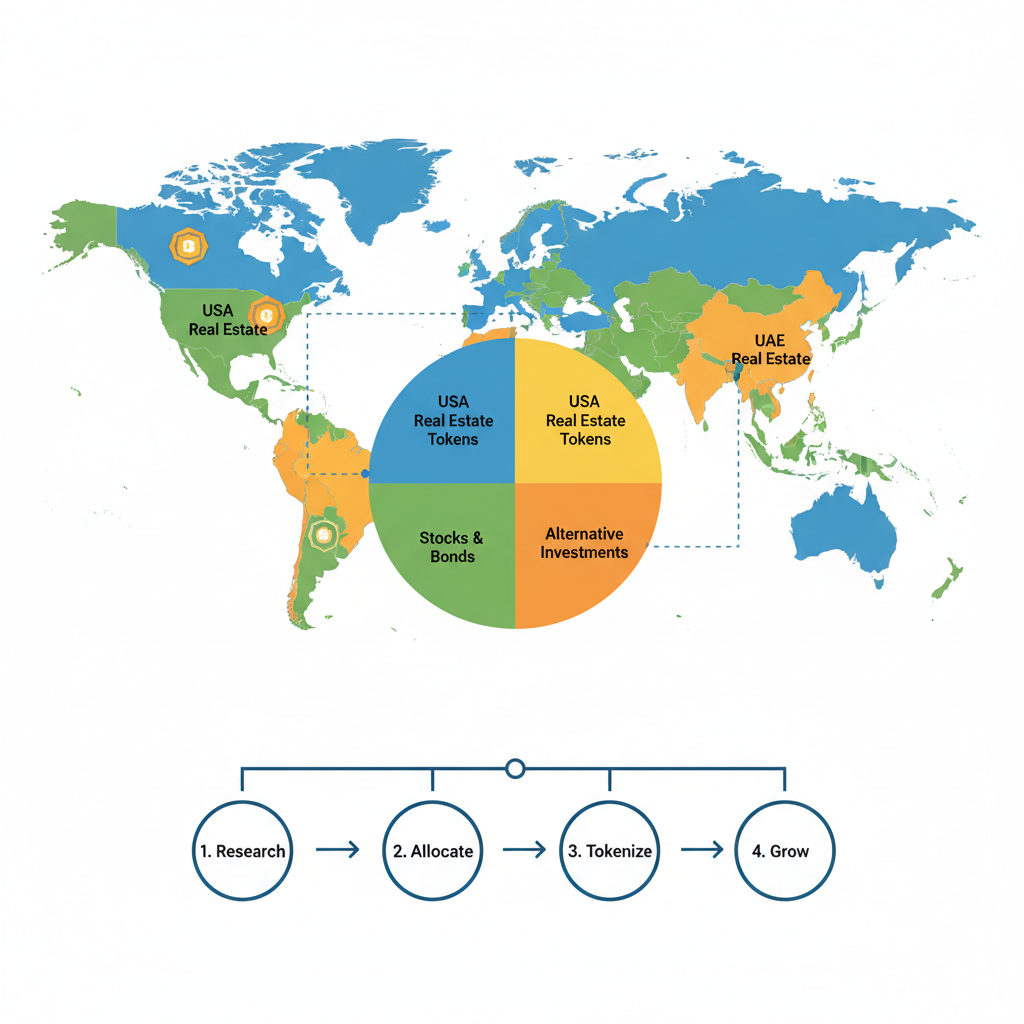
Target assets with verifiable cash flows. U. S. rentals yield 8-12% annually, net of fees, outperforming bonds in low-rate eras but vulnerable to hikes. UAE commercial tokens offer tax efficiency for globals, blending luxury resorts with logistics hubs. Blend them: 60% U. S. for stability, 40% UAE for growth asymmetry. Governance tokens amplify returns via votes on upgrades, yet dilute if over-issued.
Secondary markets mature unevenly. Zoniqx’s multi-chain push promises interoperability, easing exits. Still, simulate black swan sales: thin books amplify slippage. My matrix scores opportunities on a 1-10 scale, weighting liquidity 30%, compliance 25%, yield sustainability 20%, with the rest for oracle and geo risks. Only greenlight scores above 7.
ESG integration rises as a differentiator. Zoniqx’s green buildings appeal to funds under EU mandates, potentially commanding premiums. Yet greenwashing abounds; demand third-party verifications. Cross-chain bridges introduce hacks, so stick to dominant layers like Ethereum or Polygon until proven.
Forward momentum builds, with $392.5 million underscoring viability amid 10 countries’ participation. Yet true alpha emerges from those who quantify downsides first. In this space, where 80% clusters in USA and UAE, vigilance turns volatility into vetted opportunity. Position accordingly, and let disciplined frameworks guide the path to compounded gains.