
Tokenizing Rental Properties on Real Estate Rwas: 2026 Step-by-Step Guide

Tokenizing rental properties on Real Estate Rwas opens doors to fractional ownership and steady passive income streams, all powered by blockchain efficiency. In 2026, with platforms like Real Estate Rwas streamlining the process, property owners can unlock liquidity without selling outright. Rental yields flow automatically to token holders proportional to their shares, transforming illiquid assets into tradable digital securities. This guide walks through the essentials, drawing from updated regulations like MiCA enhancements and SEC frameworks.
Rental properties make ideal candidates for tokenizing rental properties because they generate predictable cash flows. Think multifamily units or single-family homes with stable tenants. Real Estate Rwas handles the tech backbone, ensuring compliance and seamless integration. Investors gain access to Real Estate Rwas tokenization, while owners retain management control through smart contracts.
Step 1: Assess Rental Property Eligibility and Ownership Verification
Begin by evaluating your rental property’s fit for tokenization. Ideal assets boast high occupancy rates above 90%, verifiable lease agreements, and clean title history. Verify ownership through public records and recent surveys. On Real Estate Rwas, use their eligibility checklist: debt-to-income ratios under 50%, no major liens, and projected yields of at least 6-8% annually. This step prevents downstream issues; I’ve advised skipping marginal properties that fail basic audits, saving time and legal fees.
Gather proof of ownership deeds, tax assessments, and utility bills. Platforms like Real Estate Rwas require digital uploads early to flag discrepancies. In my experience, thorough verification here builds investor confidence, key for successful property tokenization 2026.
Step 2: Form Special Purpose Vehicle (SPV) and Ensure Regulatory Compliance
Next, establish a Special Purpose Vehicle to isolate the property legally. This entity holds title, shielding personal assets and simplifying token issuance. Engage attorneys familiar with SEC Reg D for private placements or MiCA 2026 updates for EU accessibility. Real Estate Rwas provides templates, but customize for rental specifics like eviction protocols and reserve funds for vacancies.
Compliance isn’t optional; it’s the bedrock. Conduct jurisdiction checks, U. S. properties often file Form D, while cross-border deals navigate FATCA. Budget 5-10% of asset value for setup. Platforms automate much of this, but oversight ensures tokens qualify as securities with defined rights.

almost anything that has real value!
–>real estate like homes, offices, & hotels
–>precious metals such as gold & silver
–>art & collectibles
if it is valuable in the real world, it can probably become an RWA token
the only limit is your imagination https://t.co/34KHHtvXhJ
traditional assets can take months to sell
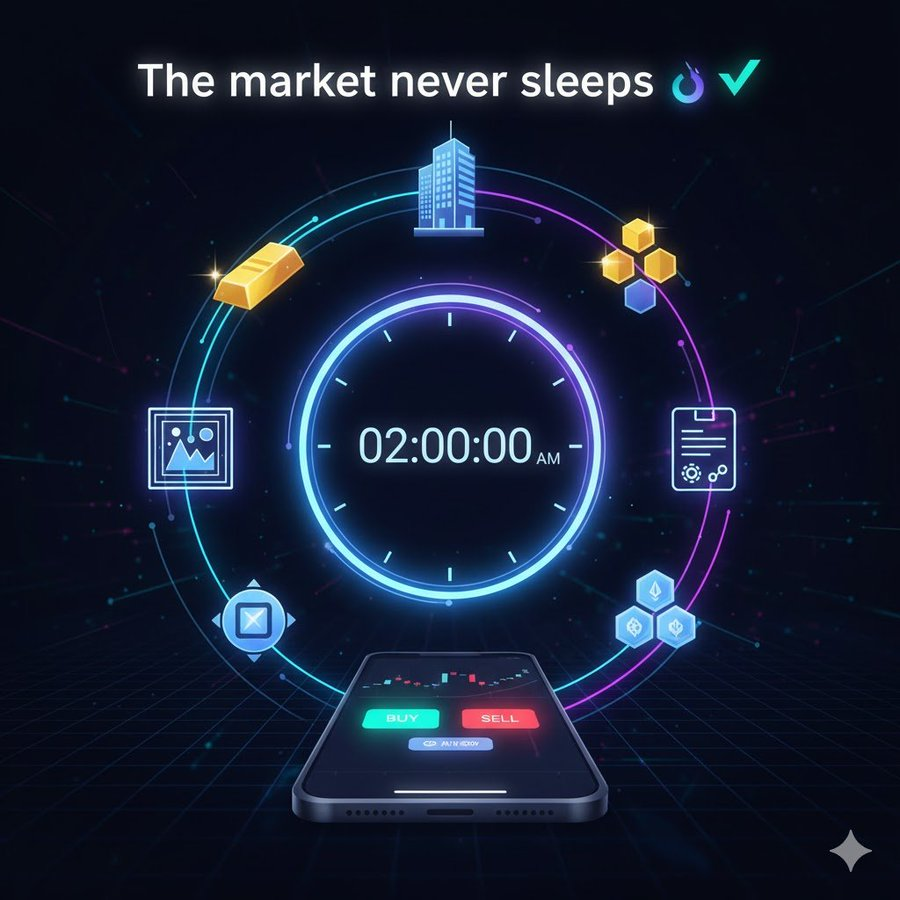
but RWA tokens? they trade 24/7 on the blockchain need money at 2 AM on a sunday?
u can sell your tokens instantly
want to buy more? go ahead, the market never sleeps https://t.co/VmAi224G2w
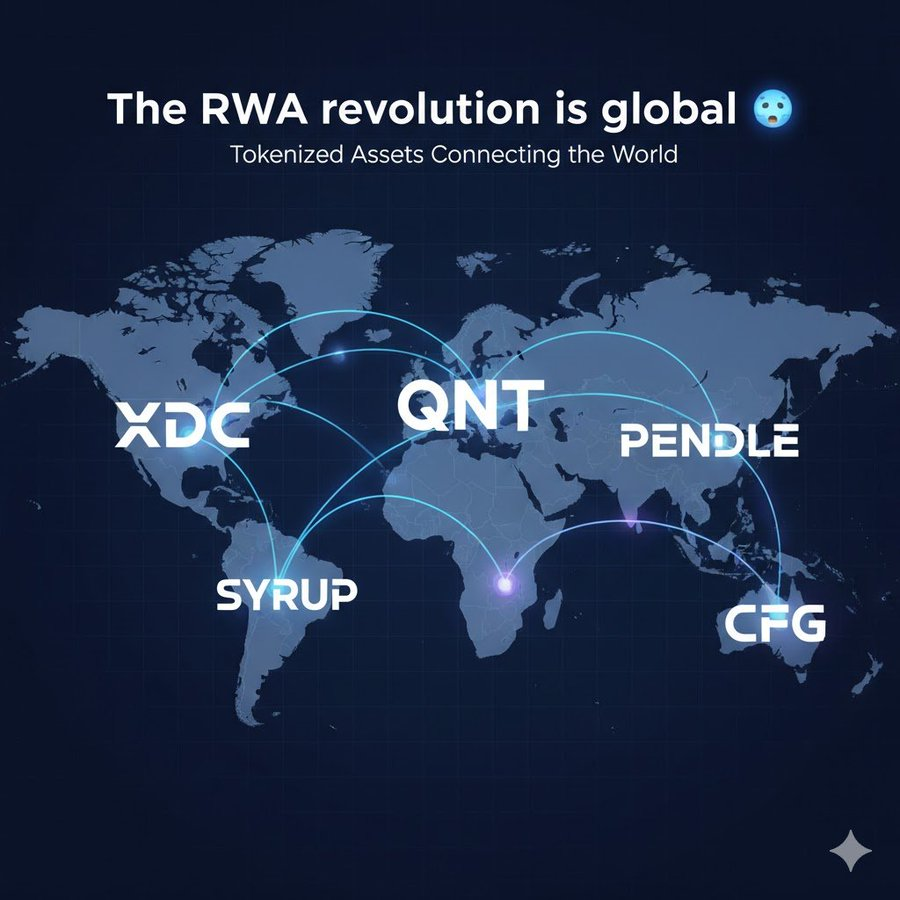
a bunch of RWA-focused projects are already leading the way:
➤ XDC Network (XDC) focuses on tokenizing trade finance
➤ Quant (QNT) connects traditional finance with blockchain systems
➤ Pendle (PENDLE) tokenizes yield from real-world & DeFi asset https://t.co/SaRX78USK2
@CoinDCX makes it easy for Indians to step into this new world
with a simple app, strong security, & a smooth trading experience, CoinDCX lets u explore digital assets (including RWAs) without any of the usual complexity. https://t.co/IQSyXBPS4S
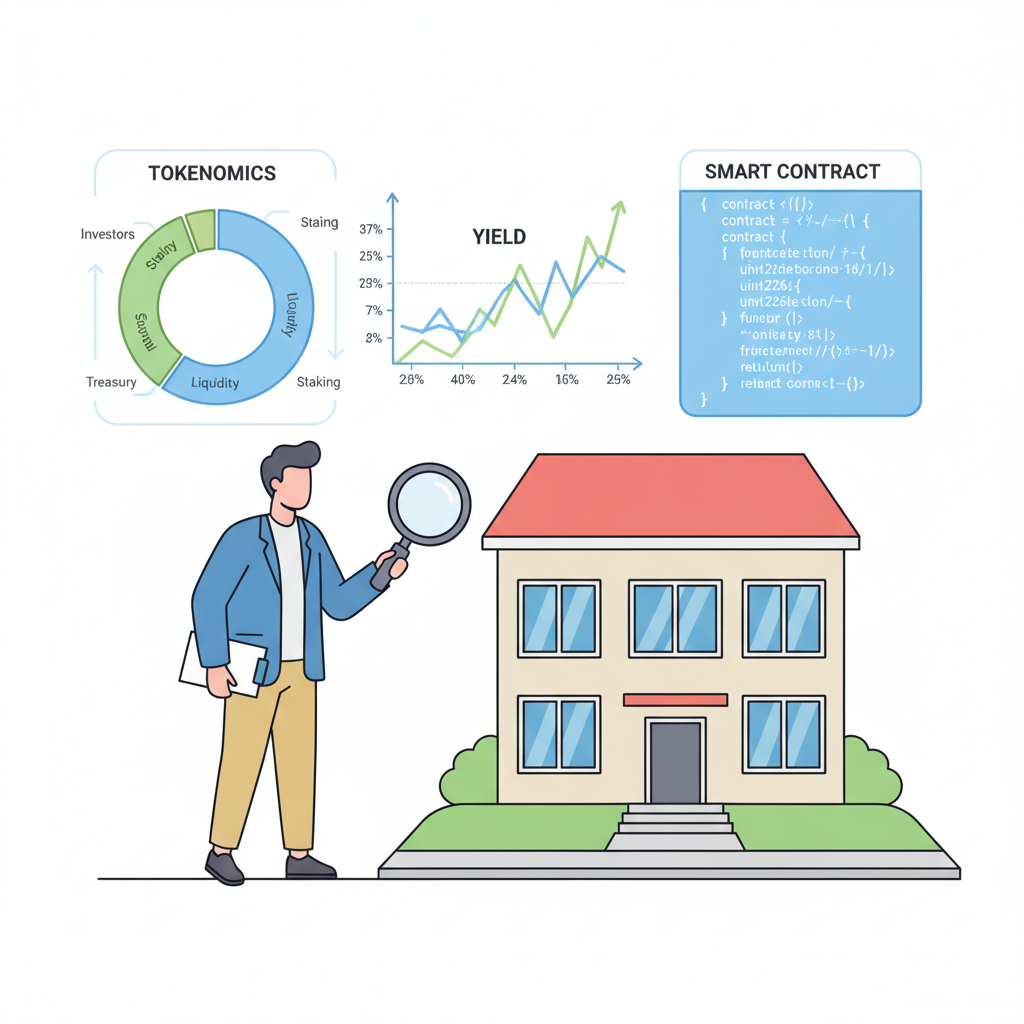
Step 3: Conduct Professional Appraisal and Design Tokenomics for Rental Yield Distribution
Hire a certified appraiser for an independent valuation, factoring rental comps, cap rates around 5-7%, and future upkeep costs. Real Estate Rwas integrates with appraisal networks for quick reports. Tokenomics follow: decide total supply (e. g. , 1 million tokens per $1M value), vesting schedules, and yield splits, 70% to holders, 20% reserves, 10% management.
Design smart contract logic for blockchain rental property payouts. Tokens represent equity slices with pro-rata rent distribution after expenses. Include governance tokens for major decisions like refinancing. This structure, honed over years in REITs, prioritizes stability over hype.
First 3 Steps to Tokenize Rental Properties on Real Estate RWAs
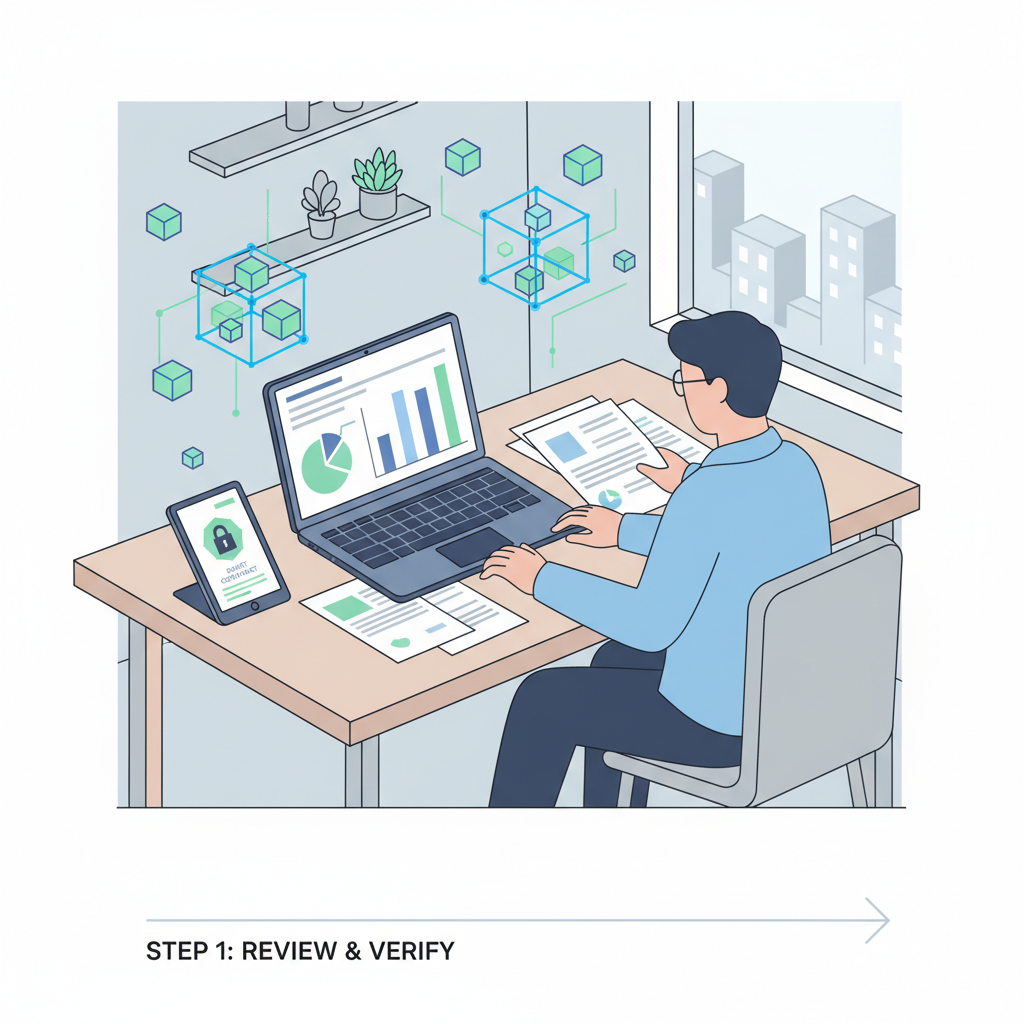
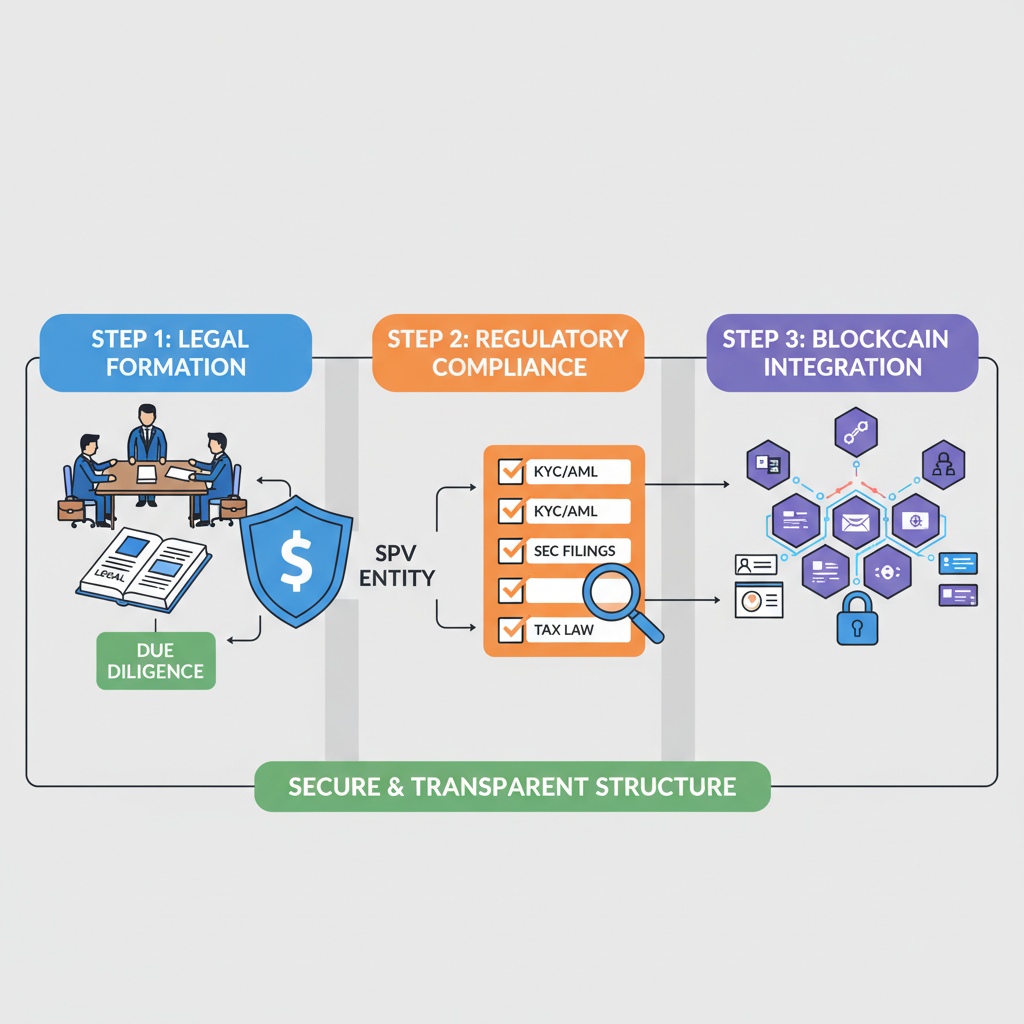
Step 4: Register as Property Owner on Real Estate Rwas and Complete KYC/AML
Sign up on Real Estate Rwas as a verified owner. Submit ID, proof of address, and source-of-funds docs for KYC/AML clearance, typically 48-72 hours. Link your SPV details and appraised value. The platform’s dashboard guides you, flagging incomplete fields. Once approved, you’re primed for uploads. This gatekeeps quality, weeding out non-compliant actors.
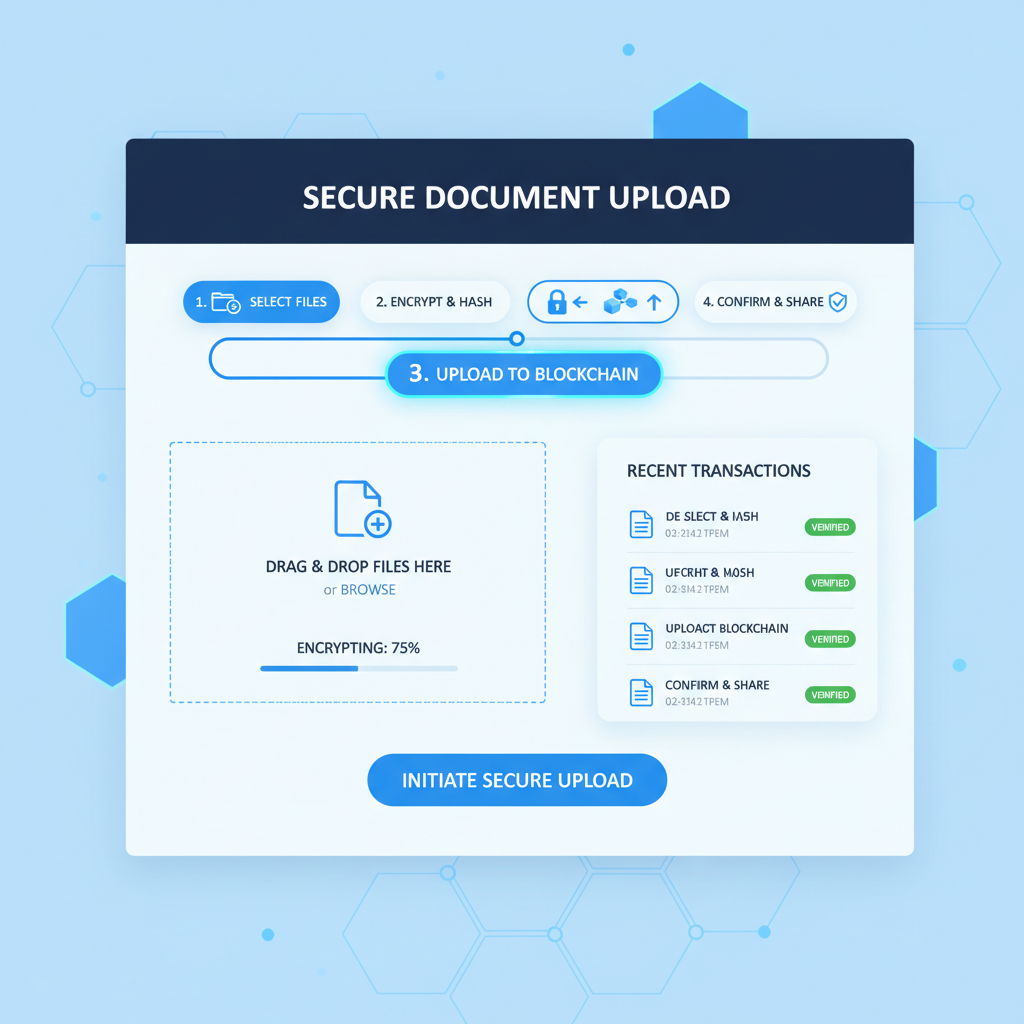
With registration complete, dive into document submission. Real Estate Rwas’s secure portal accepts PDFs of leases, appraisals, audited financials from the past two years, and preliminary smart contract code. Include rent rolls detailing tenant names, payment histories, and expiration dates. Financials should project cash flows, factoring 5-10% vacancy buffers. I’ve seen deals stall here from sloppy records; digitize everything with timestamps to maintain audit trails.
Step 5: Upload Property Documents, Financials, and Smart Contract Templates to Platform
Platform algorithms scan uploads for completeness, generating a compliance score. Templates for ERC-1400 or ERC-3643 standards come pre-loaded, tailored for RWA real estate guide needs like dividend schedules. Customize clauses for rental escalations tied to CPI. Approval takes 3-5 days, unlocking the next phase. This integration sets Real Estate Rwas apart, blending legal rigor with blockchain speed.
Step 6: Deploy Blockchain Smart Contracts for Token Minting and Automated Rent Payouts
Now the tech core activates. Using Real Estate Rwas’s no-code deployer, launch contracts on compatible chains like Polygon or Hedera for low fees and real estate scalability. Mint tokens post-verification, assigning them unique IDs linked to SPV shares. Embed oracles for off-chain rent data feeds, triggering payouts in stablecoins like USDC every 30 days after expenses.
Automation shines: smart contracts deduct maintenance from gross rents, distribute nets proportionally, and enforce lockups for early holders. Testnets prevent glitches; in practice, this mirrors REIT distributions but with immutable transparency. Owners vote via token-weighted governance on capex, fostering aligned incentives.
Tokenizing Rental Properties: Steps 5-8 on Real Estate RWAs

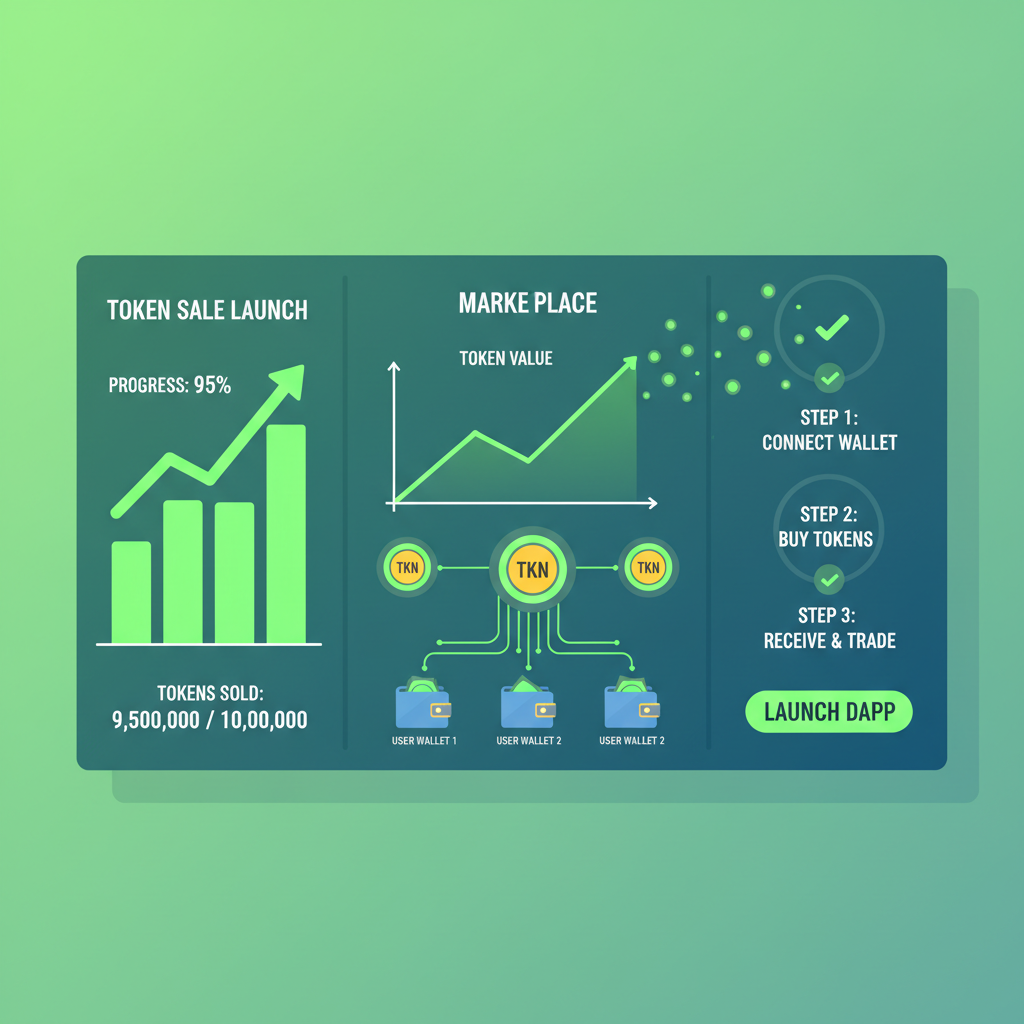
Step 7: Launch Token Sale (STO/IDO) on Real Estate Rwas Marketplace with Fee Structure (2-5% Platform Fee)
Go live with your Security Token Offering or Initial DEX Offering on the marketplace. Set pricing at appraised value, say $1 per token for a $1M property, with tiers for early birds. Real Estate Rwas handles marketing blasts to their investor pool, whitelisting KYC’d buyers. Expect 2-5% platform fees covering listing, liquidity pools, and audits; transparent and competitive.
Monitor the sale dashboard for real-time bids. Oversubscription clauses protect against dumps. Successful launches I’ve tracked fill in hours, drawing crypto natives and traditional yield seekers to blockchain rental property opportunities. Post-sale, tokens list instantly for secondary trades.
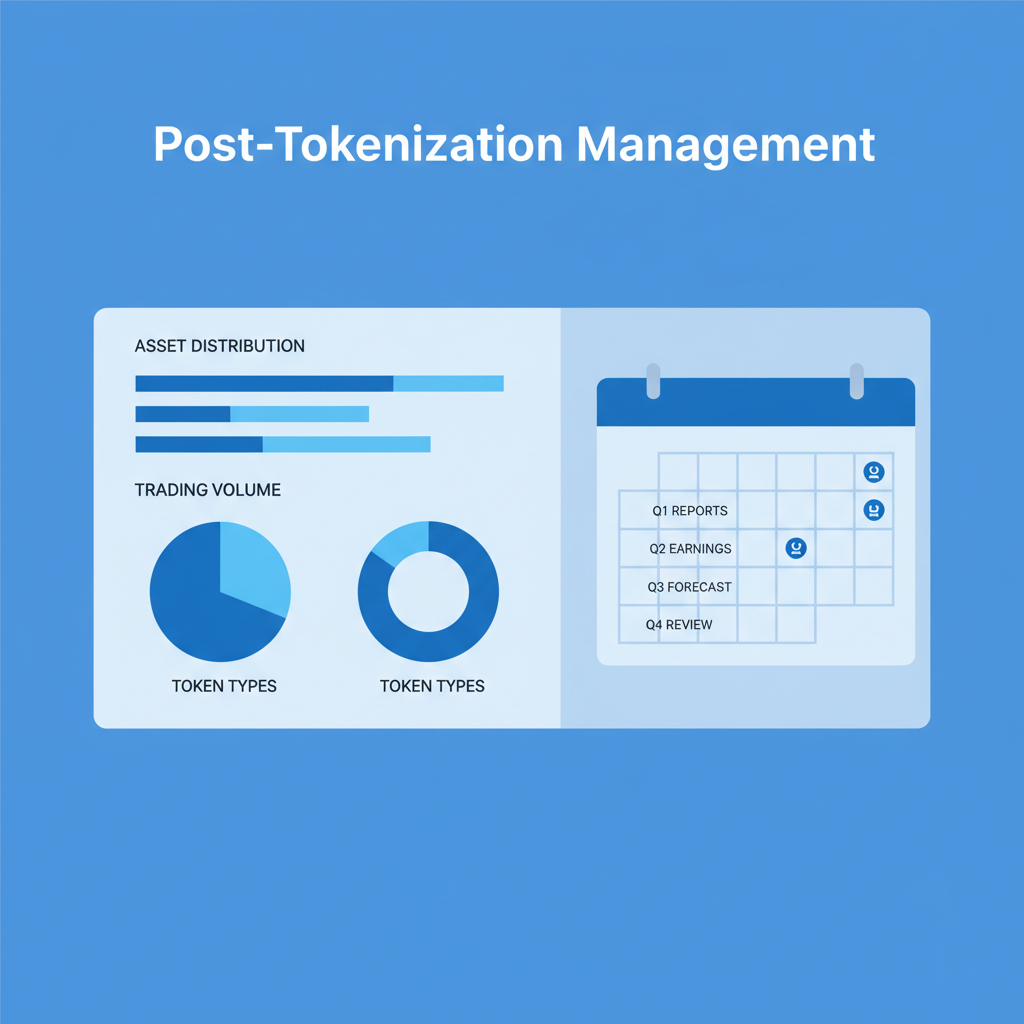
Step 8: Manage Post-Tokenization: Quarterly Distributions, Compliance Reporting, and Secondary Trading
Ongoing operations solidify value. Smart contracts handle quarterly distributions, converting rents to tokens or stables with tax reporting stubs. File annual Form 1099s via SPV; Real Estate Rwas dashboards auto-generate SEC-compliant reports, slashing admin by 70%.
Secondary trading on the marketplace provides exit ramps, with AMMs ensuring depth. Monitor metrics like NAV updates and holder churn. As yields compound, properties appreciate, rewarding patient capital. Reinvest reserves strategically; consistency here turns one-off deals into portfolios.
Tokenizing on Real Estate Rwas demands upfront diligence but delivers reliable income with minimal friction. Property owners gain capital for expansions, while investors tap vetted rentals globally. In 2026’s maturing market, this model proves resilient, blending real estate’s tangibility with blockchain’s precision. Start small, scale methodically, and watch yields accrue steadily.