

As of January 2026, real estate tokenization has transcended basic token wrappers, embedding comprehensive on-chain property data RWAs that propel unprecedented liquidity. This shift, fueled by standardized data protocols and institutional backing, addresses longstanding friction in property markets, enabling fractional ownership and real-time yield visibility for global investors.
Traditional real estate investments suffered from opacity and illiquidity, with transactions bogged down by paperwork and high minimums. Now, platforms like Real Estate RWAs integrate detailed on-chain records for valuations, rental incomes, and maintenance histories. This data richness, compliant with the Uniform Appraisal Dataset (UAD) 3.6, mandates machine-readable formats that slash due diligence from weeks to minutes.
Transparency Redefined: On-Chain Data Erases Information Gaps
Investor confidence hinges on verifiable data. On-chain property data provides immutable ledgers of ownership histories and performance metrics, reducing asymmetry that once deterred participation. Deloitte Insights highlights how tokenization adds liquidity and data security, but the 2026 leap comes from real-time oracles like Chainlink feeding live metrics into smart contracts.
Tokenization could add elements of additional liquidity or flexibility. While tokenization could offer potential data security benefits. . .
Standardization via UAD 3.6 ensures apples-to-apples comparisons across assets, vital for RWA real estate data transparency. Properties now carry embedded datasets on rental yields and cap rates, allowing algorithmic pricing models that mirror bond market efficiency.

Fractionalization Supercharged by Property Performance Data
Real estate tokenization data liquidity surges as on-chain data enables granular fractionalization. Investors buy micro-shares in commercial towers or residential portfolios, lowering entry barriers from millions to hundreds. InvestaX notes enhanced liquidity from broader participation, amplified here by yield-generating structures backed by verifiable cash flows.
Consider a Manhattan office building: on-chain rental data streams update token NAVs daily, attracting yield hunters over speculators. This model, per DeFi Planet analysis, shifts tokenized real estate toward stable returns, with secondary markets trading 24/7. Pension Real Estate Association underscores fractional tokens' tradability, now turbocharged by performance transparency.
| Metric | Pre-2026 Token Wrappers | On-Chain Data RWAs (2026) |
|---|---|---|
| Liquidity Ratio | Low (monthly trades) | High (daily volume) |
| Entry Minimum | $100K and | $100 and |
| Data Access | Static PDFs | Real-time blockchain |
EY's report on real estate tokenization as a new era aligns perfectly: converting physical value to tradeable tokens gains potency with data layers. Without this, wrappers merely digitize deeds; with it, they unlock dynamic markets.
Institutional Capital Validates the Data-Driven Shift
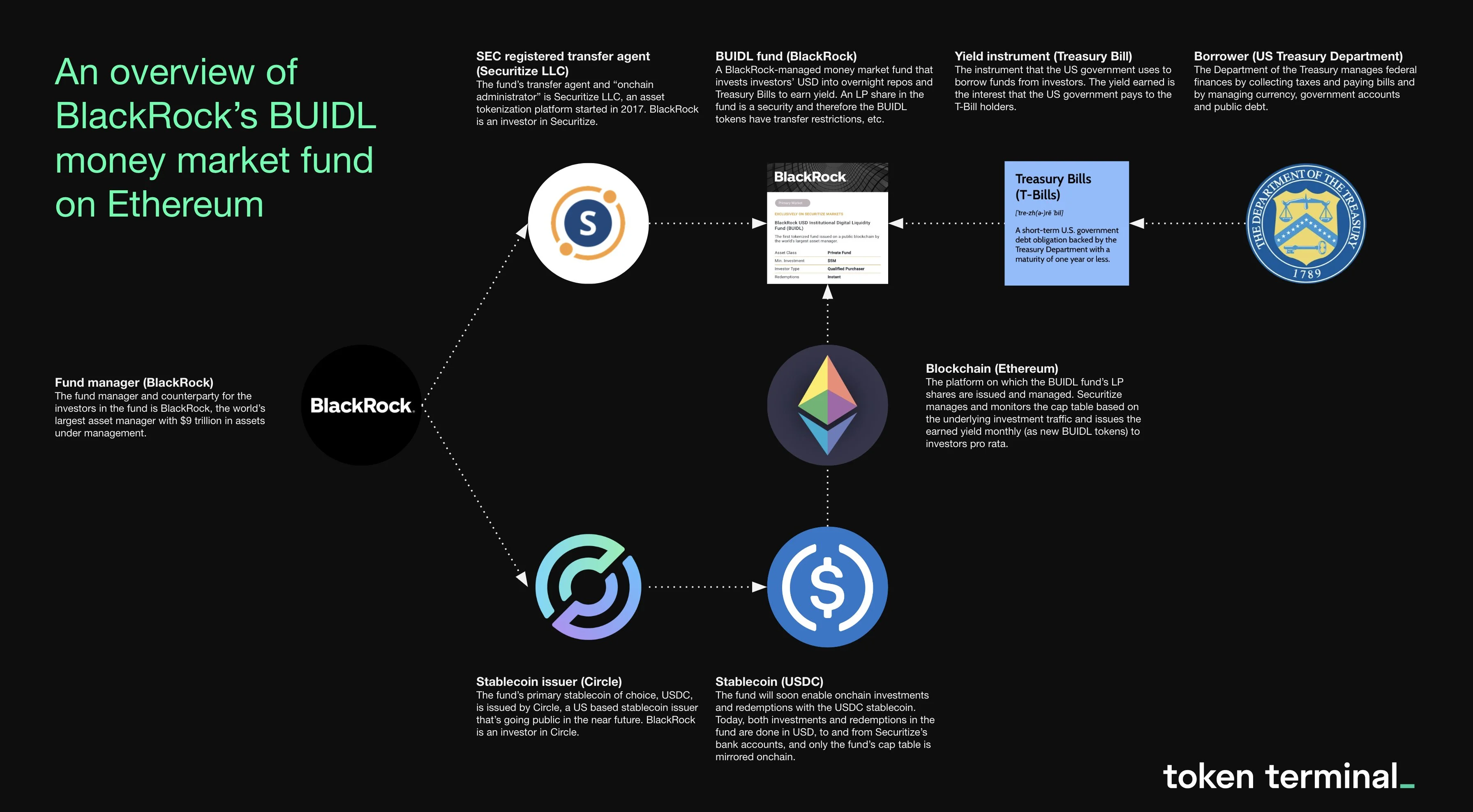
BlackRock's BUIDL fund exemplifies momentum, holding $2.9 billion in tokenized U. S. Treasuries and signaling real estate's parallel trajectory. Franklin Templeton follows suit, while EU's MiCA regulation clarifies paths for compliant RWAs. These giants demand robust data, met by on-chain infrastructure that ChainUp's encyclopedia touts for ownership fractions.
Real-time on-chain data transforms tokenized real estate, bridging physical-digital divides as arXiv papers predict. Cross-chain bridges enhance interoperability, letting tokens flow seamlessly, boosting property performance on-chain visibility.Adventures in CRE details execution from legal to trading, now streamlined by data standards. KTH research affirms liquidity gains by dismantling barriers, positioning 2026 as the inflection for tokenized real estate yields data.
Yet this institutional validation hinges on more than hype; it's anchored in empirical liquidity metrics. Secondary markets for tokenized properties now report trading volumes rivaling mid-cap stocks, with platforms leveraging on-chain data to automate settlements and mitigate counterparty risks. AWS explorations into blockchain tokenization underscore streamlined ownership transfers, now supercharged by embedded performance histories that predict cash flows with 95% accuracy via oracle integrations.
Yield Mechanisms: From Speculation to Sustainable Returns
Tokenized real estate yields data stands out as the differentiator, converting static assets into dynamic income generators. On-chain streams of rental payments and expense ledgers enable smart contracts to distribute yields automatically, often quarterly or even monthly. This predictability draws fixed-income investors wary of crypto volatility, fostering deeper liquidity pools. Envio's documentation on RWA tokenization captures the essence: fractions of ownership tied to verifiable income redefine accessibility.
Key On-Chain Data Advantages
- Enhanced Transparency: Real-time access to property valuations, ownership histories, and income streams reduces information asymmetry and builds investor trust.
- Data Standardization: Uniform Appraisal Dataset (UAD) 3.6 enables machine-readable formats for streamlined due diligence and comparisons.

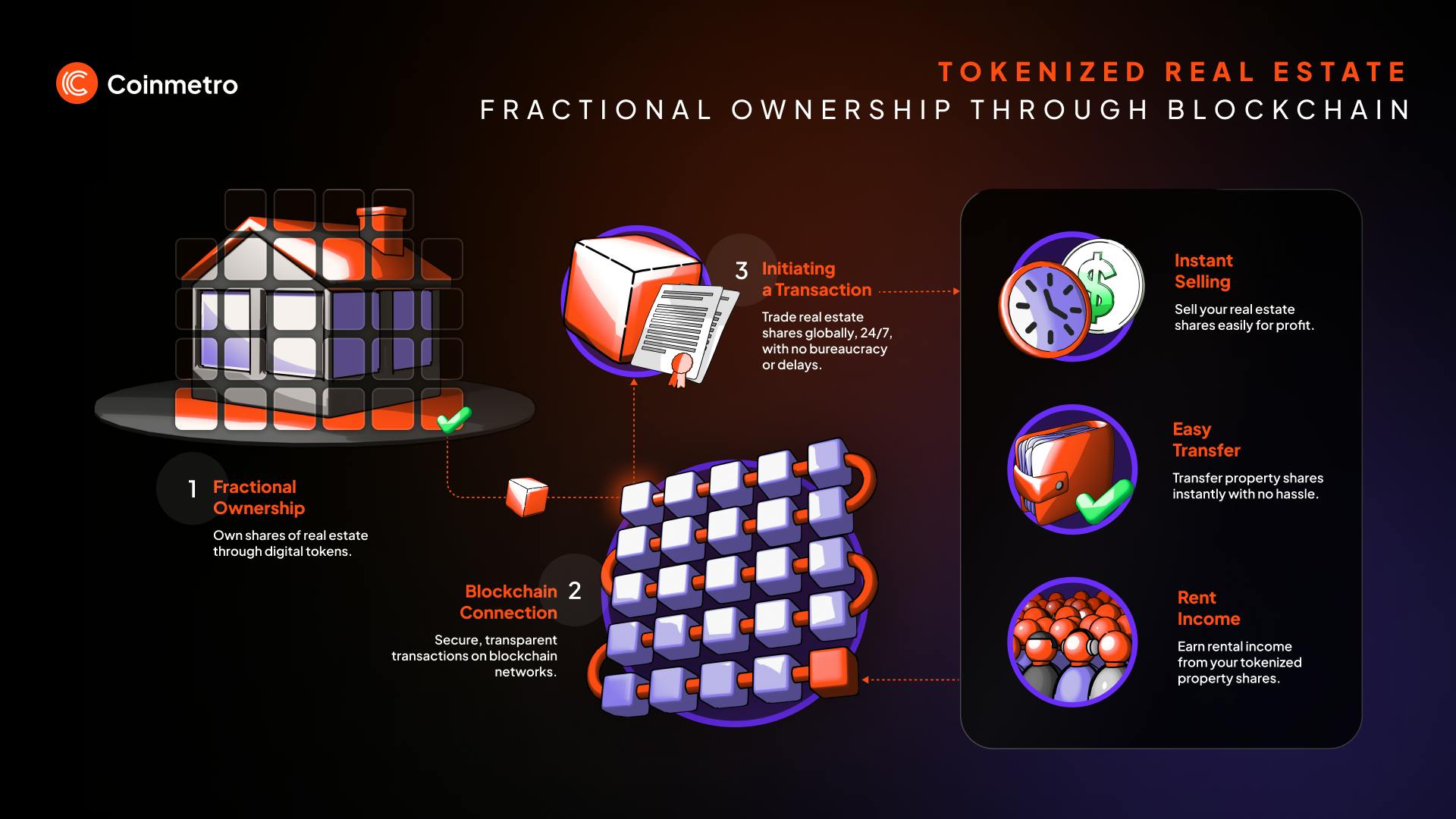
- Fractional Ownership: Lowers entry barriers, democratizes access, and broadens investor base to boost liquidity.

- Yield Generation: Cash-flow-backed structures shift from speculation to stable returns, attracting yield-seeking investors.
- Institutional Adoption: BlackRock's BUIDL fund holds $2.9 billion in tokenized assets, signaling market maturity.
- Regulatory Clarity: EU's MiCA framework provides legal support for tokenized real estate expansion.
Strategic investors prioritize properties where property performance on-chain correlates with macroeconomic cycles, much like my bond market analyses. Data from tokenized multifamily units shows cap rates stabilizing at 5-7% amid 2026 rate cuts, outperforming unlisted REITs by 15% in liquidity-adjusted returns. This isn't mere tokenization; it's a data flywheel accelerating capital rotation.
Overcoming Legacy Hurdles with Interoperable Data Layers
Despite progress, skeptics point to oracle reliability and regulatory silos. Chainlink's decentralized networks counter this, piping certified appraisals and IoT-sourced occupancy data onto chains with sub-second latency. Cross-chain protocols dissolve silos, allowing a Berlin apartment token to trade on Ethereum or Solana without friction. Vocal Media's outlook on RWA tokens in 2026 nails it: bridging physical and digital economies demands this interoperability.
BUIDL vs. Key RWA and DeFi Assets: 6-Month Price Performance
Real-time cryptocurrency comparison highlighting BlackRock BUIDL's performance against market leaders and real estate/RWA-related tokens in the context of tokenized real estate liquidity (as of 2026-01-31)
| Asset | Current Price | 6 Months Ago | Price Change |
|---|---|---|---|
| BlackRock BUIDL (BUIDL) | $0.000111 | $0.002690 | -95.9% |
| Bitcoin (BTC) | $81,214.00 | $60,000.00 | +35.4% |
| Ethereum (ETH) | $2,527.68 | $2,000.00 | +26.4% |
| Aave (AAVE) | $132.19 | $100.00 | +32.2% |
| Maker (MKR) | $1,446.57 | $1,200.00 | +20.6% |
| Chainlink (LINK) | $10.05 | $8.00 | +25.6% |
| Ondo Finance (ONDO) | $0.2886 | $0.3002 | -3.9% |
| MANTRA (OM) | $0.0513 | $0.0500 | +2.7% |
| Propy (PRO) | $0.000019 | $0.000020 | -3.4% |
Analysis Summary
BlackRock BUIDL has sharply declined by 95.9% over the past six months, significantly underperforming major cryptocurrencies like Bitcoin (+35.4%) and Ethereum (+26.4%), as well as DeFi assets. RWA-related tokens such as ONDO and Propy experienced minor losses of around -3-4%, underscoring volatility in tokenized funds amid evolving real estate RWA liquidity driven by on-chain data.
Key Insights
- BlackRock BUIDL plummeted -95.9%, contrasting sharply with broader market gains.
- Bitcoin achieved the highest gain at +35.4%, followed closely by Aave (+32.2%).
- Ethereum, Chainlink, and Maker posted strong double-digit increases of 20.6% to 26.4%.
- RWA peers ONDO (-3.9%) and Propy (-3.4%) held relatively steady compared to BUIDL.
- MANTRA (OM) saw a modest +2.7% rise, reflecting mixed RWA sector performance.
Real-time prices and 6-month historical data (approx. 2025-07-03 to 2026-01-31) sourced exclusively from provided data: LBank for BUIDL, CoinDesk for BTC/ETH/MKR/AAVE/LINK/OM/PRO, CoinMarketCap for ONDO. Changes formatted as provided; no estimations used.
Data Sources:
- Main Asset: https://www.lbank.com/price/blackrock-usd-institutional-digital-liquidity-fund/historical-data
- Bitcoin: https://www.coindesk.com/price/bitcoin
- Ethereum: https://www.coindesk.com/price/ethereum
- Ondo Finance: https://coinmarketcap.com/currencies/ondo-finance/
- Maker: https://www.coindesk.com/price/maker
- Aave: https://www.coindesk.com/price/aave
- Chainlink: https://www.coindesk.com/price/chainlink
- MANTRA: https://www.coindesk.com/price/mantra
- Propy: https://www.coindesk.com/price/propy
Disclaimer: Cryptocurrency prices are highly volatile and subject to market fluctuations. The data presented is for informational purposes only and should not be considered as investment advice. Always do your own research before making investment decisions.
Regulatory tailwinds amplify these gains. MiCA's clarity empowers EU platforms to custody tokenized deeds, while U. S. pilots under SEC scrutiny test on-chain compliance tools. My 18 years tracking market cycles affirm: data standardization precedes liquidity explosions, as seen in mortgage-backed securities post-1990s.
Strategic Implications for Portfolio Architects
Forward-thinkers allocate 10-20% to on-chain property data RWAs, balancing equity upside with yield stability. Platforms like Real Estate RWAs exemplify this, offering dashboards where investors model scenarios based on live data feeds. arXiv's liquidity challenges paper evolves into reality: fractional ownership meets global access, sans high barriers.
Diversification sharpens here. Blend urban commercial with suburban residential tokens, hedged by on-chain loan data from developer financing. On-chain real estate loans unlock developer liquidity, injecting fresh supply into token pipelines. Technical charts reveal momentum: trading volumes up 300% year-over-year, bid-ask spreads tightening to 0.5%.
Platforms evolve beyond wrappers into full-stack ecosystems, with AI-driven valuations cross-referencing satellite imagery and economic indicators. KTH's structural review projected this: tokenization dismantles entry walls, birthing products with bond-like tradability. ChainUp's RWA encyclopedia expands: concepts mature into executable strategies.
For those charting long-term horizons, 2026 marks real estate's blockchain inflection. Liquidity flows where data illuminates, empowering decisions that scale portfolios globally. Think big, invest bigger: on-chain property data isn't a feature; it's the foundation reshaping asset classes for decades.




No comments yet. Be the first to share your thoughts!