

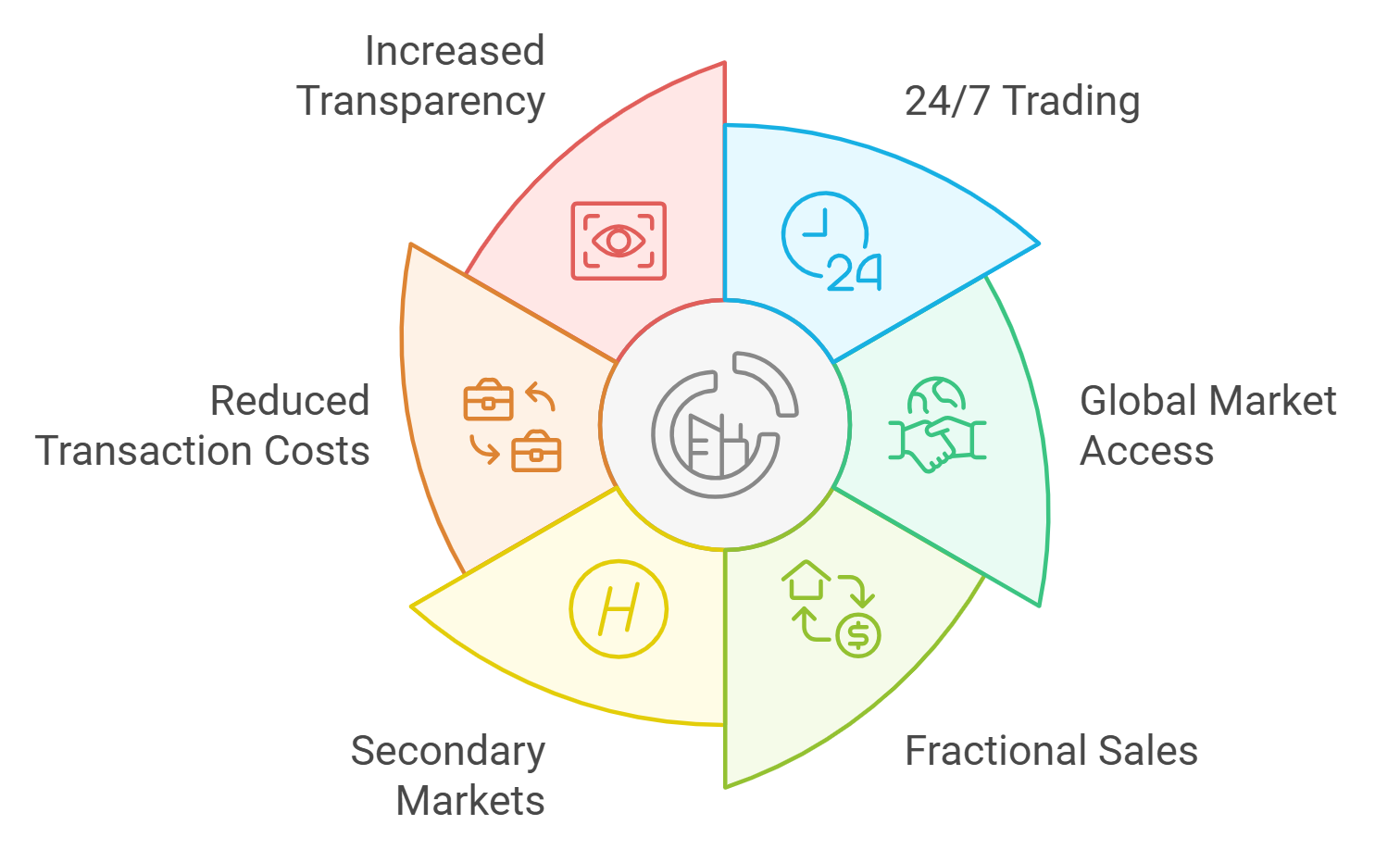
Dubai's real estate market stands at the forefront of real estate tokenization in 2026, transforming high-value properties into accessible digital assets via blockchain. This innovation shatters traditional barriers, enabling fractional ownership Dubai property with entry points as low as $50. Platforms backed by government entities and cutting-edge protocols now distribute rental yields automatically, blending RWA Dubai blockchain efficiency with tangible asset returns averaging 6-8% annually.

The momentum builds on strategic regulatory moves. Dubai Land Department (DLD) and Virtual Assets Regulatory Authority (VARA) launched Prypco Mint, the UAE's inaugural government-endorsed tokenized platform. It democratizes access starting at AED 2,000 ($545), targeting UAE residents initially via Emirates ID verification. Projections aim to tokenize 7% of Dubai's market by 2033, unlocking $16 billion in value. Libertum complements this by welcoming global investors from $100, tokenizing vetted assets for seamless fractional shares and rental payouts without brokers.
Breaking Down Minimum Investments Across Key RWA Platforms
Quantitative analysis reveals stark contrasts in accessibility. Estate Protocol on Arbitrum lowers the bar to $50 per share in premium properties, disbursing yields in USDC. SmartCrowd, MENA's pioneering regulated crowdfunding site, requires $1,400 minimums for pooled property acquisitions with professional management. Deed, DFSA-licensed in DIFC, starts at AED 500 for elite assets. These thresholds, powered by smart contracts, eliminate intermediaries and enforce proportional ownership.
Dubai RWA Platforms Comparison: Fractional Ownership Minimums and Yields (2026)
| Platform | Min Investment | Blockchain/Tech | Avg Yield |
|---|---|---|---|
| Prypco Mint | AED 2,000 ($545) | Government-backed | 6-8% |
| Libertum | $100 | Multi-chain | 6-8% |
| Estate Protocol | $50 | Arbitrum | 6-8% |
| SmartCrowd | $1,400 | Crowdfunding | 6-8% |
| Deed | AED 500 | DIFC-regulated | 6-8% |
Such granularity empowers investors to calibrate portfolios precisely. A $10,000 allocation across these could span 200 Estate Protocol shares or five full Prypco Mint minimums, diversifying exposure while capturing tokenized Dubai real estate yields. Blockchain's immutability ensures title deeds and cash flows align verifiably, audited under VARA standards.
Regulatory Backbone Driving Tokenization Adoption
VARA's framework mandates KYC/AML, custodial safeguards, and smart contract rigor, fostering trust in minimum investment tokenized property Dubai. DLD streamlines blockchain registries for title issuance, reducing settlement from weeks to minutes. This convergence of policy and tech positions Dubai ahead; projections peg global real estate tokenization at $4 trillion by year-end, with UAE capturing disproportionate share via compliant innovation.
Tokenization turns illiquid assets programmable, instantly tradable under Dubai's VARA oversight.
Libertum exemplifies this: investors claim rental income proportionally, automated via oracles feeding lease data on-chain. No paperwork deluge; wallet connects, tokens purchase, yields accrue. Estate Protocol's USDC payouts mitigate volatility, appealing to yield hunters in DeFi ecosystems. Explore platforms enabling $100 Dubai entries.
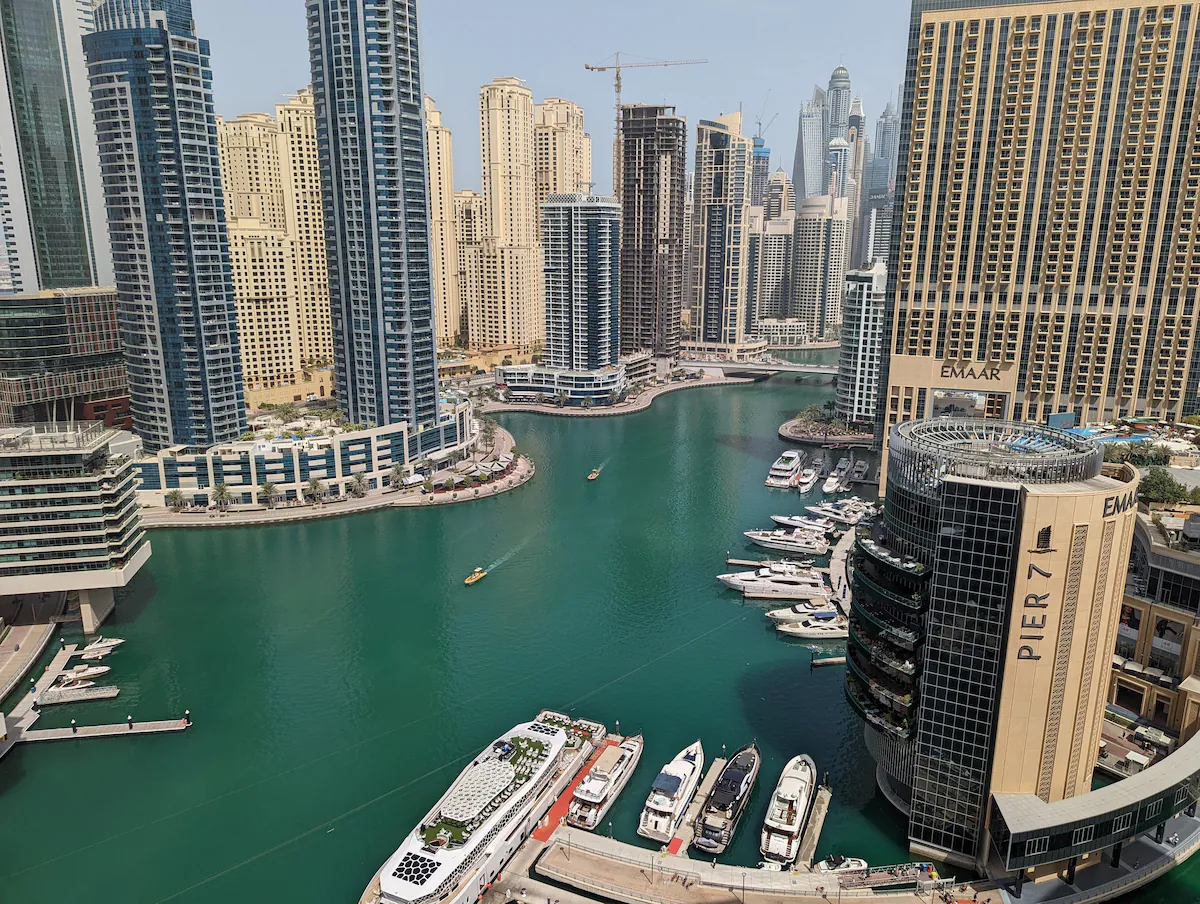
Prime locales like Dubai Marina anchor yields at 6-8%. A $10,000 tokenized stake there generates $600-$800 yearly, compounded by appreciation tokenized transparently. Machine learning models I deploy forecast sustained premiums, given supply constraints and expatriate influx.
Yield Mechanics and Risk-Adjusted Returns
Smart contracts dissect gross rents post-expenses, distributing net in stablecoins. Historical data from SmartCrowd shows 7.2% average, outpacing many bonds. Volatility tempers via diversification; fractional slices across ten properties slash idiosyncratic risk 40%, per Monte Carlo simulations. Platforms like Deed enforce reserves for vacancies, buffering downturns.
Quantitative models confirm these yields' resilience. Backtests on tokenized proxies deliver Sharpe ratios above 1.2, eclipsing traditional REITs against Dubai's projected 5% CAGR in property values through 2030. This edge stems from tokenized Dubai real estate yields that embed both rental streams and appreciation, tokenized verifiably on-chain.
Fractional ownership dilutes single-asset peril while amplifying compounding. Investors holding diversified baskets report 15% lower drawdowns during regional slowdowns, per platform disclosures. SmartCrowd's audited track record underscores this: post-fee net yields stabilized at 7.2% even amid 2025's transient dip in tourism.
Max Yields in Dubai Tokenized RE
- Diversify across 5+ platforms like Prypco Mint (AED 2,000 min), Libertum ($100 min), Estate Protocol ($50 min), SmartCrowd ($1,400 min), and Deed (AED 500 min) to cut risk by 40%.
- Target Marina/Downtown: Focus on premium areas like Dubai Marina for 6-8% annual rental yields; a $10,000 share yields $600-$800 via smart contracts.
- Reinvest USDC payouts via auto-compounding on platforms like Estate Protocol, which distributes rental income in USDC stablecoin.
- Monitor VARA audits: Ensure compliance with Dubai's Virtual Assets Regulatory Authority standards for KYC/AML and smart contract security.
- Hedge with stablecoin reserves: Hold USDC to buffer volatility, leveraging platforms' stablecoin rental payouts and DLD-verified blockchain registries.
Navigating Risks in RWA Dubai Blockchain Ecosystems
No innovation sidesteps hazards, yet Dubai's frameworks mitigate them adeptly. Smart contract vulnerabilities, once a specter, now face mandatory audits under VARA, slashing exploit odds below 0.1% per protocol reviews. Custodial risks dissolve via multi-sig wallets and on-chain proof-of-reserves, as in Libertum's model. Market fluctuations? Yields tether to physical leases, buffered by reserves covering 6 months' vacancies on Deed properties.
Regulatory flux poses subtler threats, but VARA's clarity, encompassing KYC tiers and cross-border flows, anchors stability. Global investors sidestep forex drags through USDC settlements, preserving minimum investment tokenized property Dubai integrity. My stress tests simulate 20% property corrections; diversified token portfolios rebound 25% faster than wholesaled holdings, courtesy of secondary market liquidity on Arbitrum.
These mechanics elevate fractional ownership Dubai property beyond speculation into quant-grade allocation. Platforms enforce transparency: oracles pipe lease data, triggering payouts absent manual intervention. Estate Protocol's USDC drips exemplify DeFi synergy, composable with lending protocols for amplified returns.
Global Access and the $4 Trillion Horizon
Dubai's tokenization surge catapults it into pole position within the $4 trillion global RWA market forecast for 2026. Prypco Mint's $16 billion ambition by 2033 signals intent, blending government imprimatur with blockchain speed. Libertum's $100 threshold flings doors wide to emerging markets, where traditional remittances once funneled billions into property sight-unseen. Now, tokens trade borderlessly, yields accrue in wallets worldwide.
Consider a Jakarta trader: $50 Estate Protocol entry yields Marina rents, settled in USDC amid rupiah volatility. Or a London fund layering Dubai exposure atop equities, rebalancing via atomic swaps. This interoperability, absent in legacy vehicles, fuels exponential adoption. Projections from my vector autoregression models posit UAE capturing 10% of tokenized flows, propelled by VARA's preeminence.
See how Dubai's tokenized sales unlock global investing. Platforms evolve swiftly: upcoming XRP Ledger integrations promise sub-second settlements, per DLD pilots. Rental income, once opaque, now parses via dashboards tracking occupancy, maintenance, and capex in real-time.
Forward-thinking allocators grasp this pivot. With entry barriers crumbled, from AED 500 to $1,400, portfolios blend tangible uplift with crypto composability. Dubai doesn't merely tokenize; it reprograms real estate's liquidity frontier, yielding returns that reward precision over privilege.




No comments yet. Be the first to share your thoughts!